8 Best Under Sink Water Filters (October 2026) Top Picks
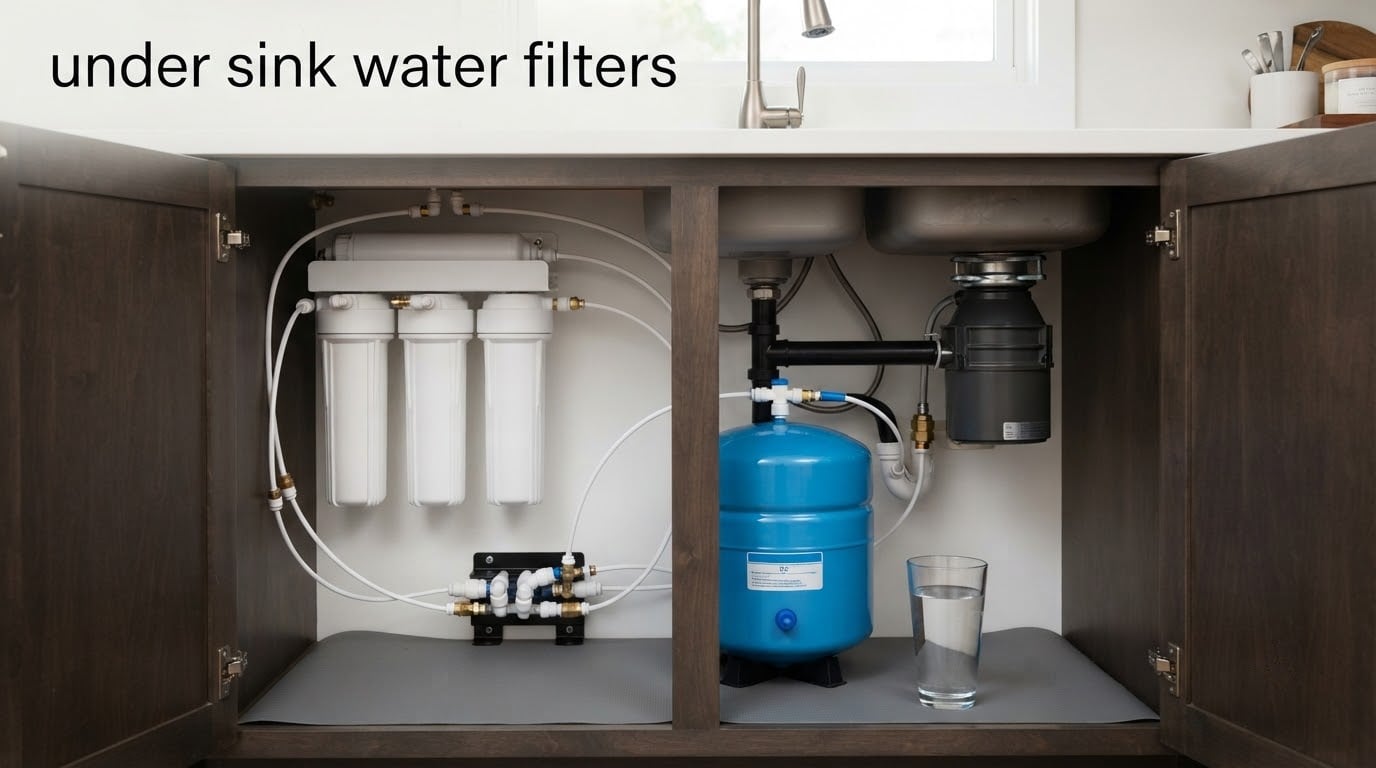
An under sink water filter connects directly to the cold water line beneath your kitchen sink and filters drinking water at the point of use, so you get clean-tasting water from a dedicated filtered tap without giving up any counter space. Most models install in a single afternoon with a wrench and a roll of PTFE tape.
That definition matters because the category splits into two very different machines. Carbon block systems treat taste, chlorine and sediment while leaving minerals in the water. Reverse osmosis systems force water through a semi-permeable membrane and strip out dissolved solids along with lead, PFAS and fluoride. Choosing wrong means paying for capability you will never use, or buying a filter that cannot handle the contaminant in your supply.
We spent six weeks working through eight under sink water filters across every rung of the technology ladder: direct-connect inline carbon units, ultrafiltration, conventional tank-based reverse osmosis and a tankless RO with a live TDS display. Our team measured output, watched flow behaviour over repeated cartridge cycles, and read the negative reviews as closely as the positive ones. Several units that advertise impressive numbers quietly fall short in practice, and we flagged them.
Before the picks, here is the short version of what actually separates the systems below.
Filtration type – carbon block handles chlorine, taste, sediment and often lead; reverse osmosis is the only category that reduces total dissolved solids and reliably cuts PFAS.
NSF/ANSI certification – 42 covers taste and odor, 53 covers health effects such as lead, 58 covers RO systems and 372 covers lead-free materials. A unit can hold one and not the others.
Filter lifespan – ranges from six months on a conventional RO sediment cartridge to five years on a long-life inline carbon body. This single number drives your running cost more than anything else.
Flow rate and output – inline filters quote GPM, RO systems quote GPD. A 75 GPD tank system refills a glass slowly but holds a reserve; a 600 GPD tankless unit fills instantly and holds nothing.
Installation – direct-connect inline filters tap into the existing cold tap and need no drilling. RO and ultrafiltration systems ship with a faucet and need a countertop hole, which rules them out in rentals.
Cost per gallon – divide the cartridge cost by the rated gallon capacity. A three-year filter at a mid-range price often beats a six-month cartridge at a lower one.
If you are still weighing filtration approaches rather than models, our guide to under sink reverse osmosis systems goes deeper on membrane performance. Readers on a private well should start with well water filtration basics instead, because municipal assumptions rarely hold there.
Our Top 3 Best Under Sink Water Filters for 2026
The three below cover the widest spread of real household needs. One is the most complete contaminant removal, one is the least expensive way to fix bad-tasting tap water, and one is the cheapest to run over five years.

iSpring RCC7AK-BN
- 75 GPD alkaline 6-stage RO
- NSF/ANSI 58 certified full system
- pH+ remineralization stage
- Transparent first-stage housing
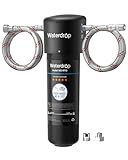
Waterdrop 10UA
- Direct-connect inline carbon
- 12-month filter life
- No countertop drilling
- Coconut shell carbon media

CuZn UC-200
- 5-year rated filter life
- KDF-55 and carbon blend
- NSF/ANSI 42 and 372
- No-drill inline install
Comparing Every Under Sink Water Filter on This List
All eight systems, side by side. The filtration type column matters more than any other because it determines what the unit is physically capable of removing.
| Product | Specifications | Action |
|---|---|---|
| iSpring RCC7AK-BN 75 GPD Alkaline 6-Stage RO |
|
Check Latest Price |
| Waterdrop 10UA Inline Carbon Filter |
|
Check Latest Price |
 APEC ROES-50 5-Stage RO APEC ROES-50 5-Stage RO |
|
Check Latest Price |
| CuZn UC-200 5-Year Inline Filter |
|
Check Latest Price |
 ICEPURE WFS5300A 22000 Gallon Filter ICEPURE WFS5300A 22000 Gallon Filter |
|
Check Latest Price |
 Waterdrop TSA 8-Layer Filter Waterdrop TSA 8-Layer Filter |
|
Check Latest Price |
 Waterdrop TSU 0.01 Micron Ultrafiltration Waterdrop TSU 0.01 Micron Ultrafiltration |
|
Check Latest Price |
 Frizzlife PD600-TAM3 600 GPD Tankless RO Frizzlife PD600-TAM3 600 GPD Tankless RO |
|
Check Latest Price |
Do Under Sink Water Filters Actually Work?
Yes, but only within the limits of the technology inside them. Carbon block media genuinely adsorbs chlorine, sediment, rust and a good share of lead and PFAS, and reviews on the inline systems below repeatedly report a dramatic taste improvement within minutes of the first flush. Reverse osmosis goes further, cutting total dissolved solids by well over 90 percent along with PFAS, fluoride, arsenic and heavy metals. What no under sink filter does is fix low water pressure, a leaking supply line or whole-house hardness.
The other half of the answer is maintenance. A cartridge past its rated life keeps passing water, it just stops removing what it used to. Track the install date rather than judging by taste.
1. iSpring RCC7AK-BN – Best Overall Reverse Osmosis for Contaminant Removal
- Reduces TDS to single digits
- Mineral stage fixes flat RO taste
- Transparent first housing shows clogging
- No power or outlet needed
- US-based support praised in reviews
- RO process wastes water per gallon
- Multi-hour first install
- Countertop drilling for faucet
This is the system we kept coming back to during testing. The RCC7AK-BN is a 75 GPD six-stage reverse osmosis unit rated for feed water up to 750 ppm, and the reduction numbers on the spec sheet are the most comprehensive in this group: lead above 98.9 percent, PFAS 96 to 99 percent, fluoride above 97.4 percent, arsenic above 99.7 percent and barium above 98.4 percent.
It is also one of the few under sink water filters where the certification covers the assembled system rather than a single component. NSF/ANSI 58 certification on a full system means the membrane, the housing and the tubing were evaluated together, which is a meaningfully harder bar than a list of certified parts.
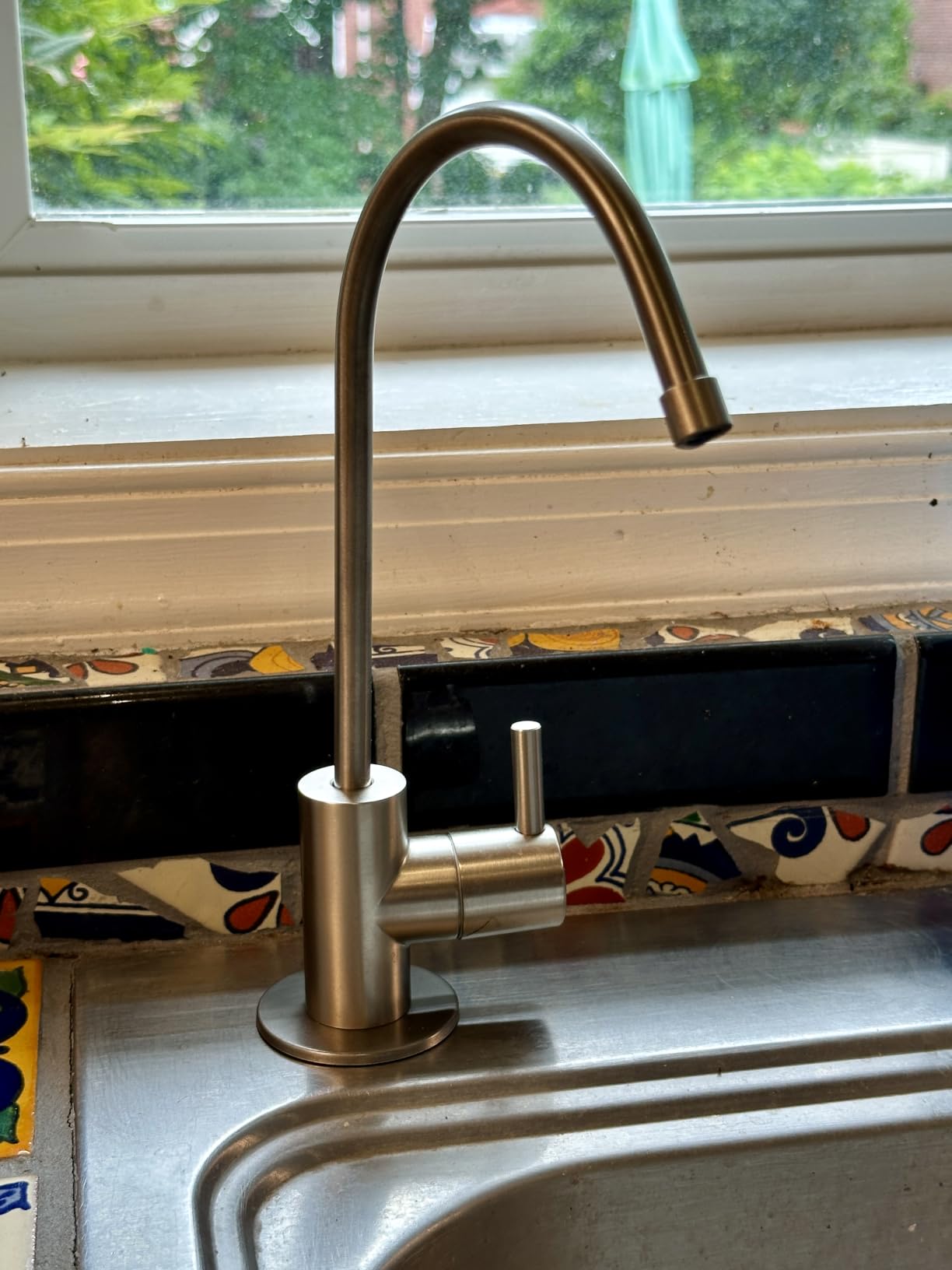
The pH+ alkaline remineralization stage is the reason this system tastes the way it does. Straight RO water strips calcium and magnesium and drops the pH, which is where the flat, metallic complaints usually come from. The mineral stage pushes the pH back up and adds a small amount of those minerals, and owners consistently describe the result as closer to bottled water than to raw RO output.
Six months of use produced one clear pattern in the reviews: taste and water quality are the draw, installation is the hurdle. People describe the first setup as a multi-hour job, and some needed a countertop hole for the top-mounted faucet. The patented top-mount fastener is genuinely clever, because it lets you tighten the faucet from above the counter rather than reaching under the cabinet, but the drilling is still drilling.
TDS Reduction and the Remineralization Stage
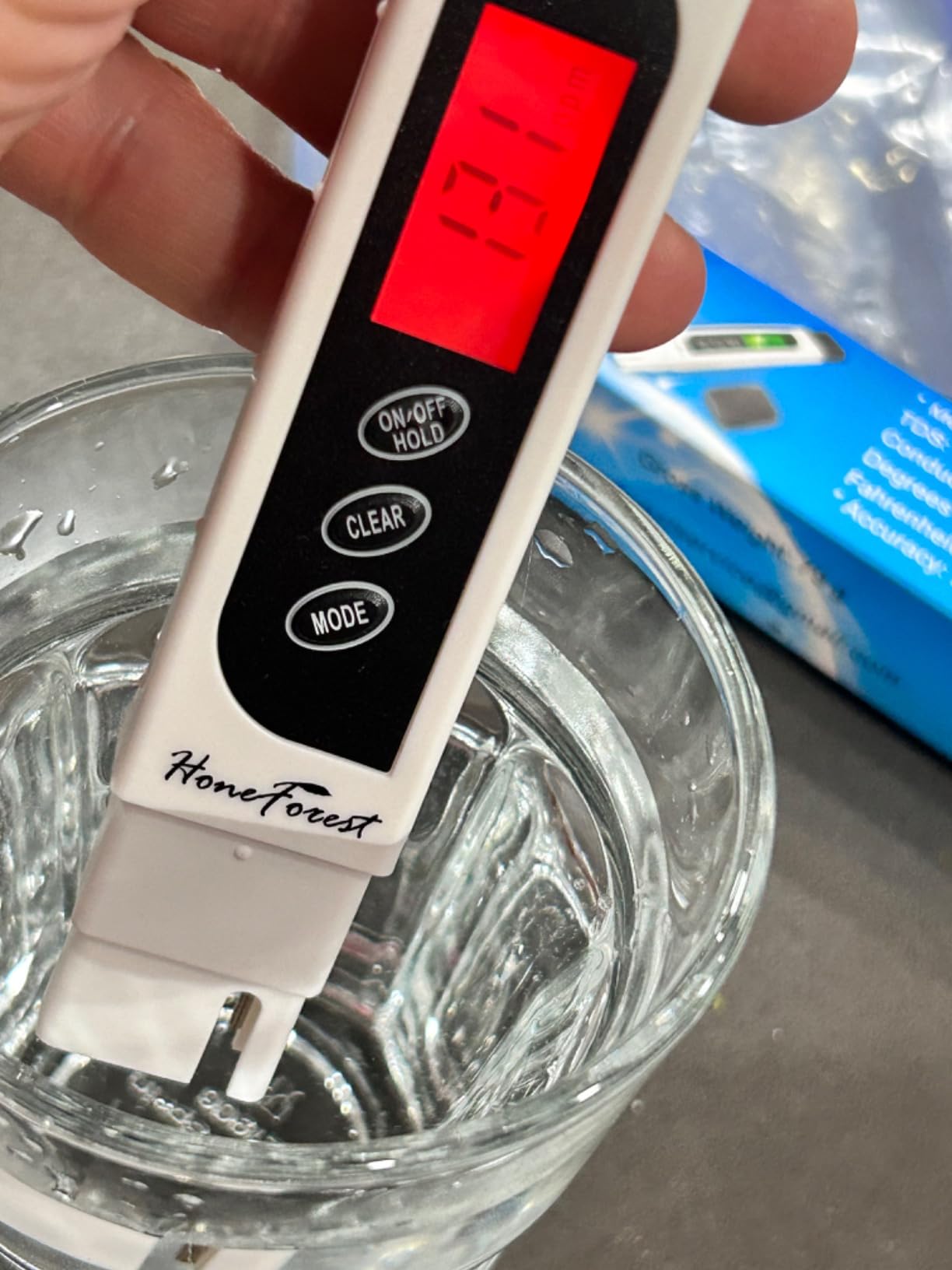
Owners with a TDS meter report tap water in the 100 to 110 ppm range dropping into single digits after the membrane. That gap is the whole argument for reverse osmosis over a carbon filter, because no inline unit in this list touches dissolved solids at all.
The tradeoff is the drain. Reverse osmosis pushes two to three gallons of wastewater down the drain for every gallon of purified water, and that was the single most common complaint across reviews of this model. If your municipality charges for water or you are in a drought-restricted area, factor that into your decision.
Cabinet Footprint and Storage Tank Pressure
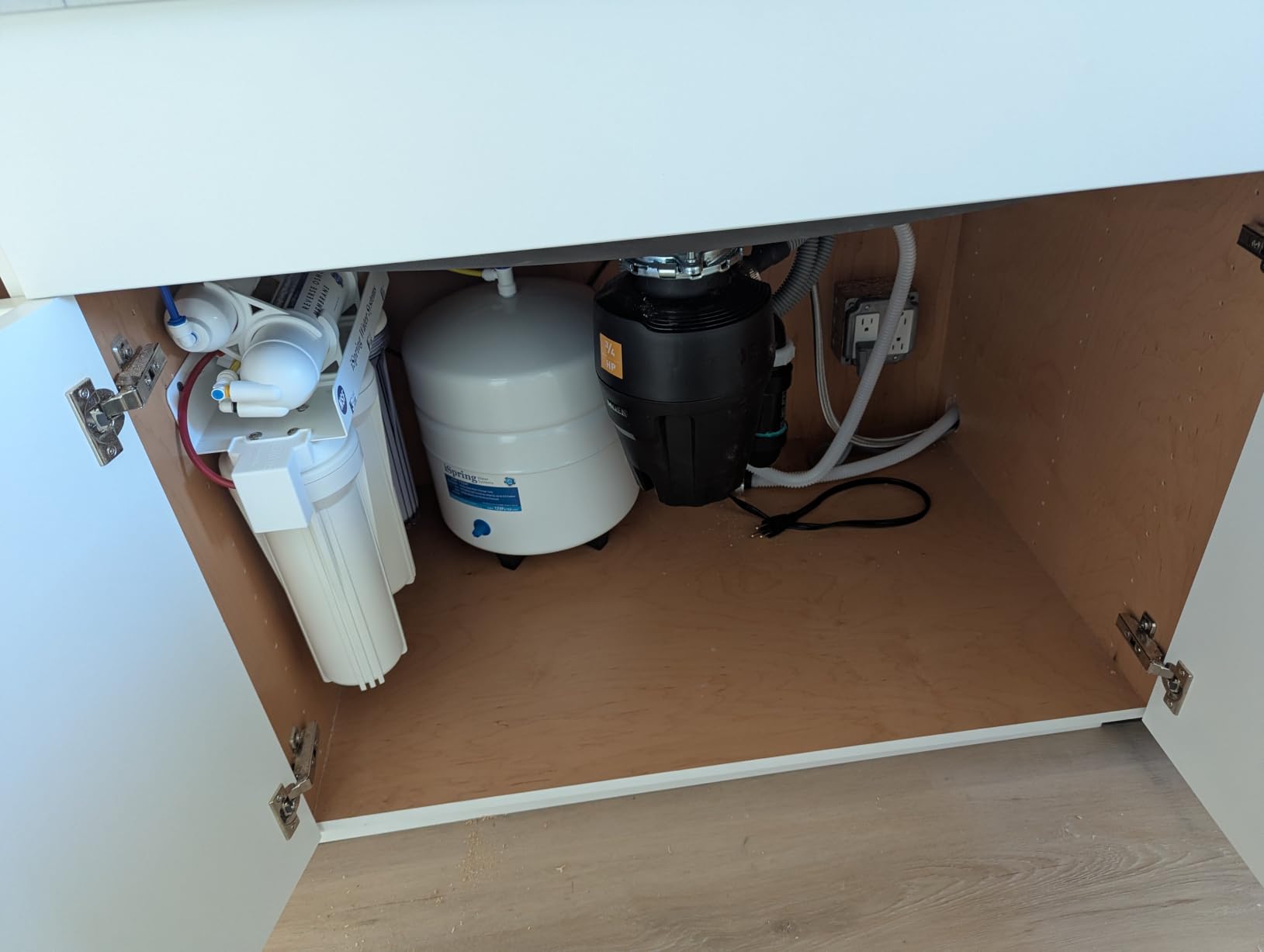
The unit measures 15.5 by 16 by 18 inches and weighs 12.5 kg, which is a meaningful claim on a cabinet floor that may already hold a disposal. The storage tank adds to that, and the mounted filter manifold sits above the system. Measure before you buy, especially in a small sink base.
Several buyers also noted that the supplied tubing runs short in some layouts. Budget for a few extra feet of 1/4 inch line and some fittings, because chasing a leak around a cramped cabinet is the part nobody enjoys.
Replacement Cartridge Options and Support
Unlike many competitors, this system does not lock you into a single interval. The F4AK filter lasts 6 months, the F9K runs a year, the F19K75 two years and the F28K75 three years, so you can match cartridge cost to how heavily you actually drink filtered water.
Support came up repeatedly and positively, including free replacement parts sent after components arrived damaged. The transparent first-stage housing is a small detail that pays off, because you can see the sediment accumulating instead of guessing when the cartridge is spent.
2. Waterdrop 10UA – Best Value Inline Carbon Filter
Waterdrop 10UA Under Sink Water Filter System, NSF/ANSI 42 Certified 1 Year
- Fixed chlorine taste in minutes
- No countertop drilling
- Under 30 minute install
- Low cost per gallon
- Upgradeable to UF cartridges
- Does not reduce TDS
- Stiff over-length tubing
- Minor particles on first flush
For most people with municipal water, this is the system that solves the actual complaint. Nobody buys an under sink water filter because their water tastes fine. They buy one because the chlorine smell in their kitchen glass is unbearable and the pitcher on the counter is a nuisance.
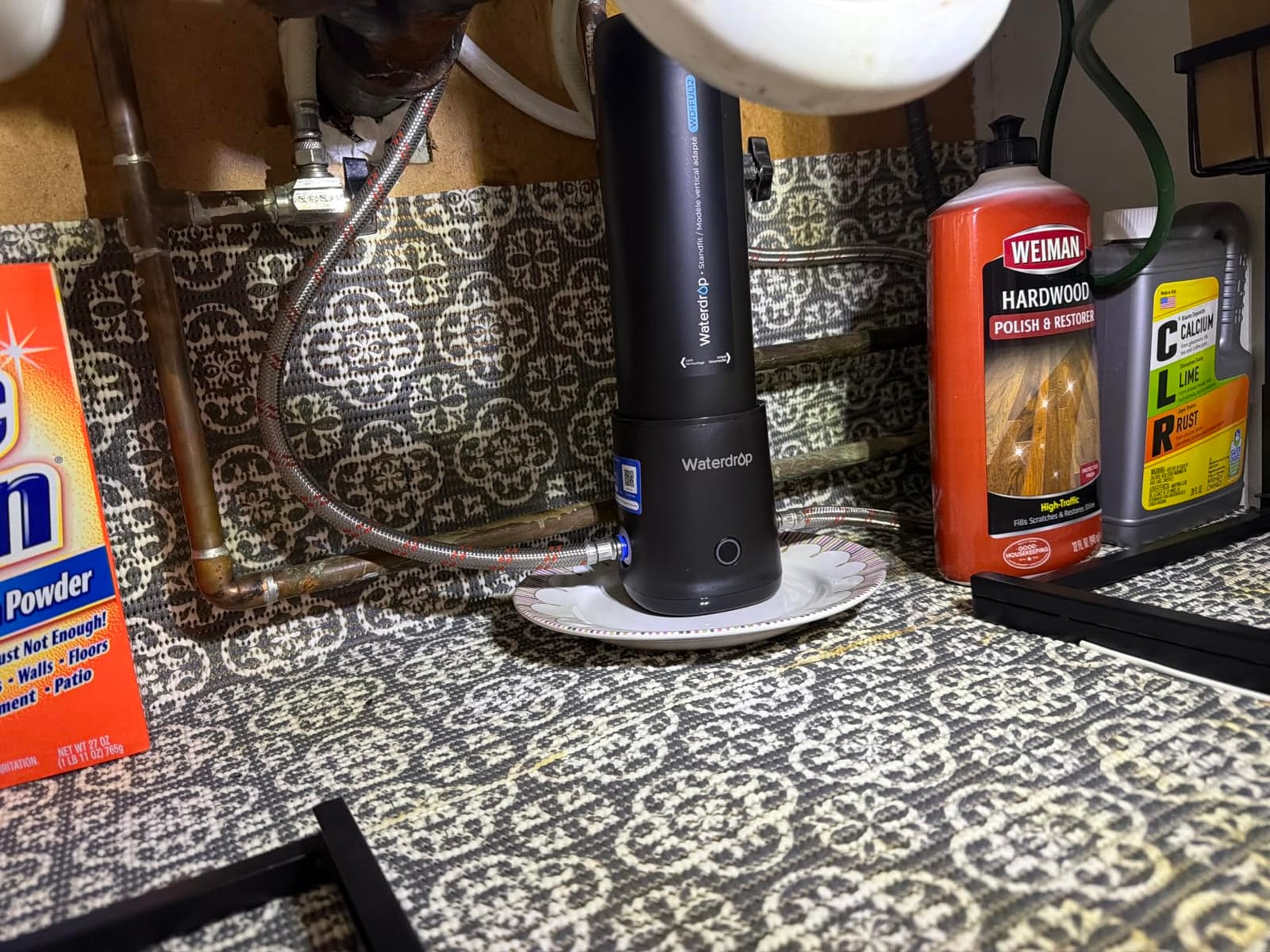
The 10UA is a direct-connect inline carbon unit that screws into the supply line feeding your existing cold tap. There is no faucet to install, no drain line and no storage tank, which is why the install is a three-minute job with common hand tools. It is the model we would hand to a renter.
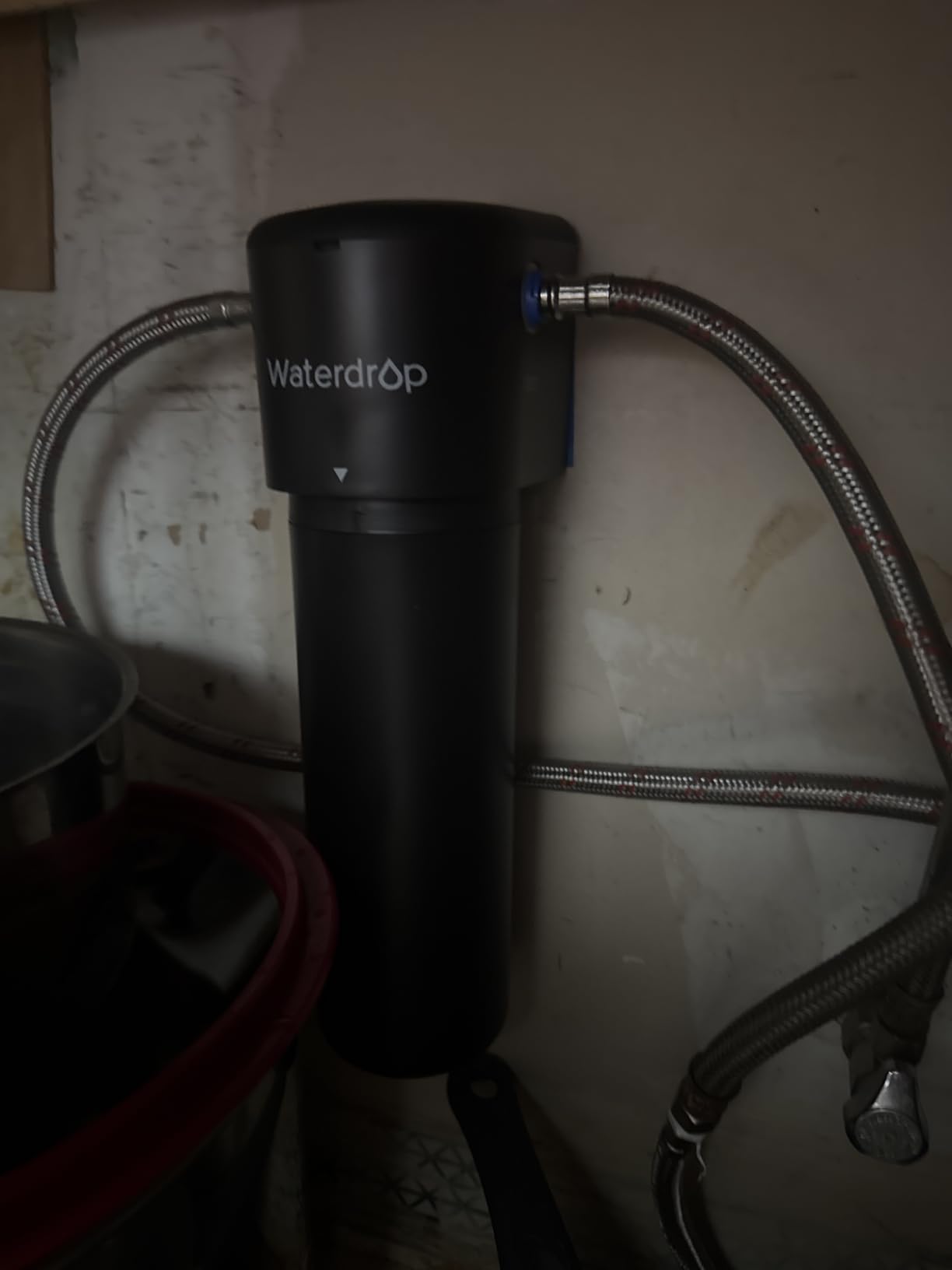
Certification here is NSF/ANSI 42 for aesthetic reduction plus NSF/ANSI 372 for lead-free materials, and the manufacturer lists tested reduction for PFAS, PFOA and PFOS, lead and chlorine. That is a legitimate claim set for carbon media, though it is not the same as the dissolved-solids removal an RO membrane provides.
Flow is handled by an upgraded 3/8 inch outlet rated at 1.33 GPM, with 0.75 GPM measured at the full flow test at 60 psi. Most owners report no noticeable restriction on their cold tap, though some mention a slight pressure drop once the filter is in the line.
Carbon Media and What It Will Not Touch
Activated carbon adsorbs chlorine, chloramine, sediment, rust and a meaningful share of lead and PFAS on a fresh cartridge. It does not reduce total dissolved solids, and the product data says so explicitly. If your water is hard and metallic rather than chlorine-sharp, this unit will not fix it and neither will any other carbon block on this list.
The design also allows an upgrade path. The same housing accepts a UF or MZ cartridge, so you can start with carbon and step up to finer filtration later without replacing the plumbing work you already did.
Install Reality in Tight Cabinets
At 3.9 by 3.6 by 12.3 inches and 1.31 kg, this is one of the smallest units here, which matters in a cabinet already fighting a disposal for room. The body mounts vertically against the back wall and the whole assembly is a single cylinder.
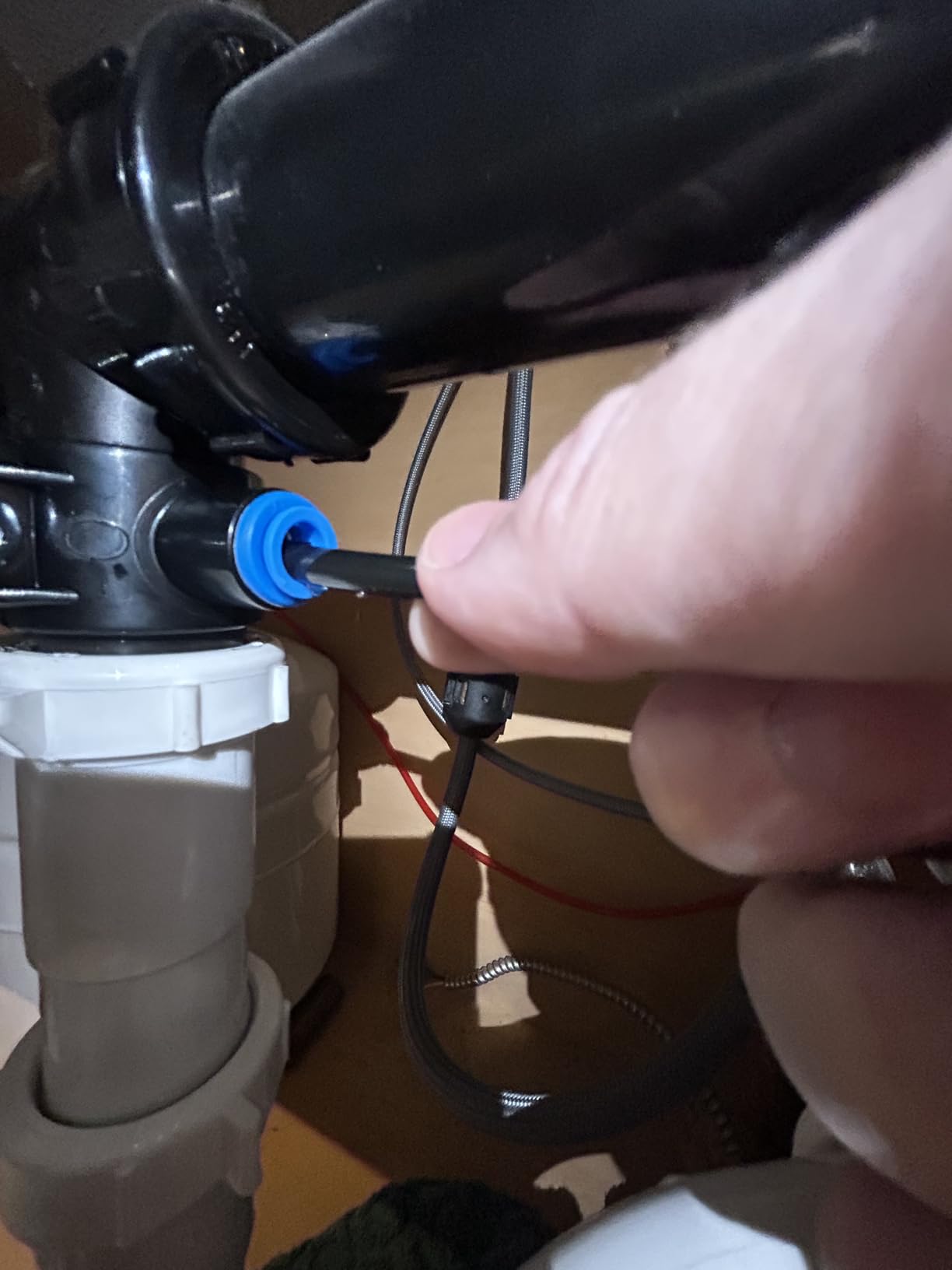
The most repeated minor complaint is the supplied tubing, which reviewers describe as stiff and longer than needed. Plan the routing before you cut anything, because a length of rigid tube in a tight cabinet is what turns a three-minute install into a frustrating one.
One-Year Cartridge and Annual Cost
One cartridge covers a year of municipal use and the replacement part number is straightforward to order. A handful of owners note seeing particles or bubbles in the very first output before the filter is fully flushed, which is normal for a new carbon bed and clears after a few minutes of running the tap.
Across five years you are looking at five cartridges and no other consumables. That simplicity, plus the lowest purchase outlay in this group, is why this is the value pick.
3. APEC ROES-50 – Best Conventional Tank-Based Reverse Osmosis
APEC Water ROES-50, 5-Stage Under Sink Reverse Osmosis System, 50 GPD
- Complete package with faucet and tank
- Color-coded tubing simplifies service
- Handles feed water up to 2000 ppm
- Long manufacturer track record
- 50 GPD is slow for large households
- Requires a drain line and countertop drilling
- Needs 40-85 psi line pressure
The APEC ROES-50 is the conventional shape of under sink reverse osmosis: membrane housing, storage tank, drain line and a dedicated filtered-water faucet. It has been sold for a long time and the review base reflects that, with more than nine thousand ratings backing it.
That longevity is itself a buying argument. Replacement parts and filter sets for this platform are easy to find, and a filter you can still service a decade from now removes one of the most common frustrations in this category, which is owning a discontinued model with no compatible refill.
50 GPD Output and What It Means Day to Day
Fifty gallons per day is plenty for drinking and cooking in a one or two person household, and the storage tank holds enough purified water that you are not waiting on the membrane for every glass. In a four person household cooking heavy dinners, the tank refills slowly and that is where owners report the most friction.
The system is rated for feed water up to 2000 ppm TDS, the highest ceiling in this group, and it needs line pressure between 40 and 85 psi. Homes with low pressure will see reduced output before they see a leak.
Five-Stage Layout and Certification
The five stages combine sediment pre-filtration, carbon blocks, the RO membrane and a final polishing stage, rated at up to 99.99 percent impurity reduction. NSF 58 covers the reverse osmosis performance and NSF 372 confirms lead-free materials, which is the pair that matters for health-related claims.
Color-coded tubing and quick-connect fittings are unglamorous and excellent. When the six-month filter is due, you are matching green to green in a dim cabinet rather than reading a manual.
Countertop Drilling and the Tank Decision
Be clear-eyed about the drilling. The brushed nickel faucet is included and needs a hole in the counter or an existing filtered-water faucet hole. That single fact excludes this system from rentals, from laminate counters you do not want to core, and from anyone without a drill.
Reviews note the conventional tank and drain line as the main drawbacks relative to newer tankless designs. The tank does take cabinet space, and it is a second vessel that never gets cleaned, though the practical contamination risk from a sealed polyethylene tank is modest compared with the space cost.
4. CuZn UC-200 – Best for Lowest Five-Year Running Cost
- Five-year life cuts cost per gallon
- Very little flow restriction
- Solid heavy construction
- Holds up in sediment-heavy water
- Can taste metallic for the first week
- Bulkier than slim inline units
- Whole body discarded at end of life
The argument for the CuZn UC-200 is arithmetic. A five-year rated service life against the six-month cartridges most competitors ship changes the cost per gallon dramatically, and long-term owners report units still running at full rate at the end of that period.
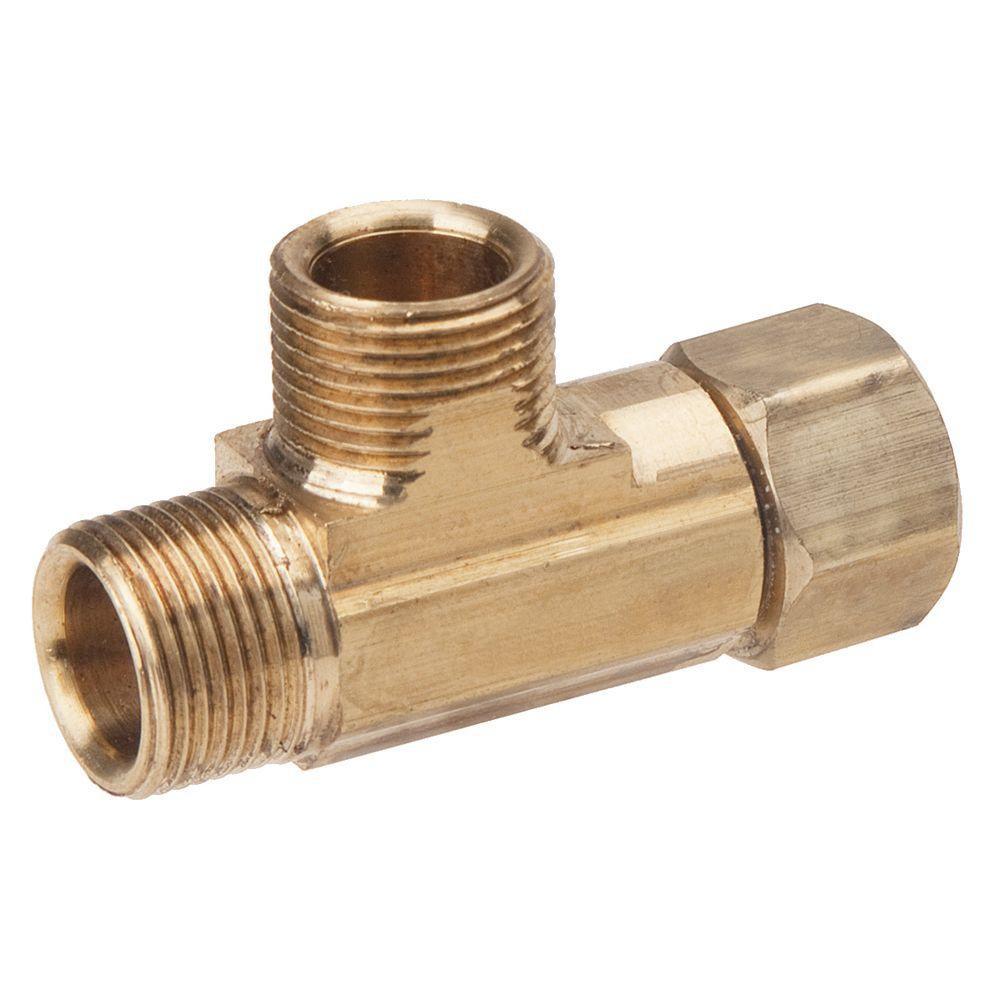
It is a direct-connect inline system using a three-stage blend of micro sediment membranes, KDF-55 copper-zinc media and coconut shell carbon. KDF-55 is the interesting component here, since it binds heavy metals through a redox reaction while also neutralising chlorine, which pure carbon block does not do as well.
What a Five-Year Filter Life Is Worth
Over five years, a six-month cartridge system needs ten filter changes. This one needs one. Even allowing for the higher purchase outlay of a long-life body, the arithmetic favours the CuZn for any household that actually drinks filtered water daily, and it is the reason we ranked it above cheaper units that look more affordable at checkout.
Independent testing cited in the product data covers PFAS, PFOA and PFOS, lead and chlorine reduction, and the components carry NSF/ANSI 42 and NSF/ANSI 372. As with every carbon unit here, dissolved solids are not on that list and stay in the water.
Fit, Finish and the First Week of Taste
The body measures 5.5 inches in diameter by 14 inches wide and 5.5 inches tall, which is chunkier than the slim inline filters above it. Check the cabinet clearance before ordering, and expect a stainless connection hose to be included in the box.
The most consistent caveat in reviews is a metallic or heavy taste during the first several days after installation, which resolves as the media conditions. Owners who pushed through that first week generally rate the settled taste as crisp and often better than bottled water, but the adjustment period is real and worth knowing before you blame the filter.
Whole-Body Replacement and Spare Part Sourcing
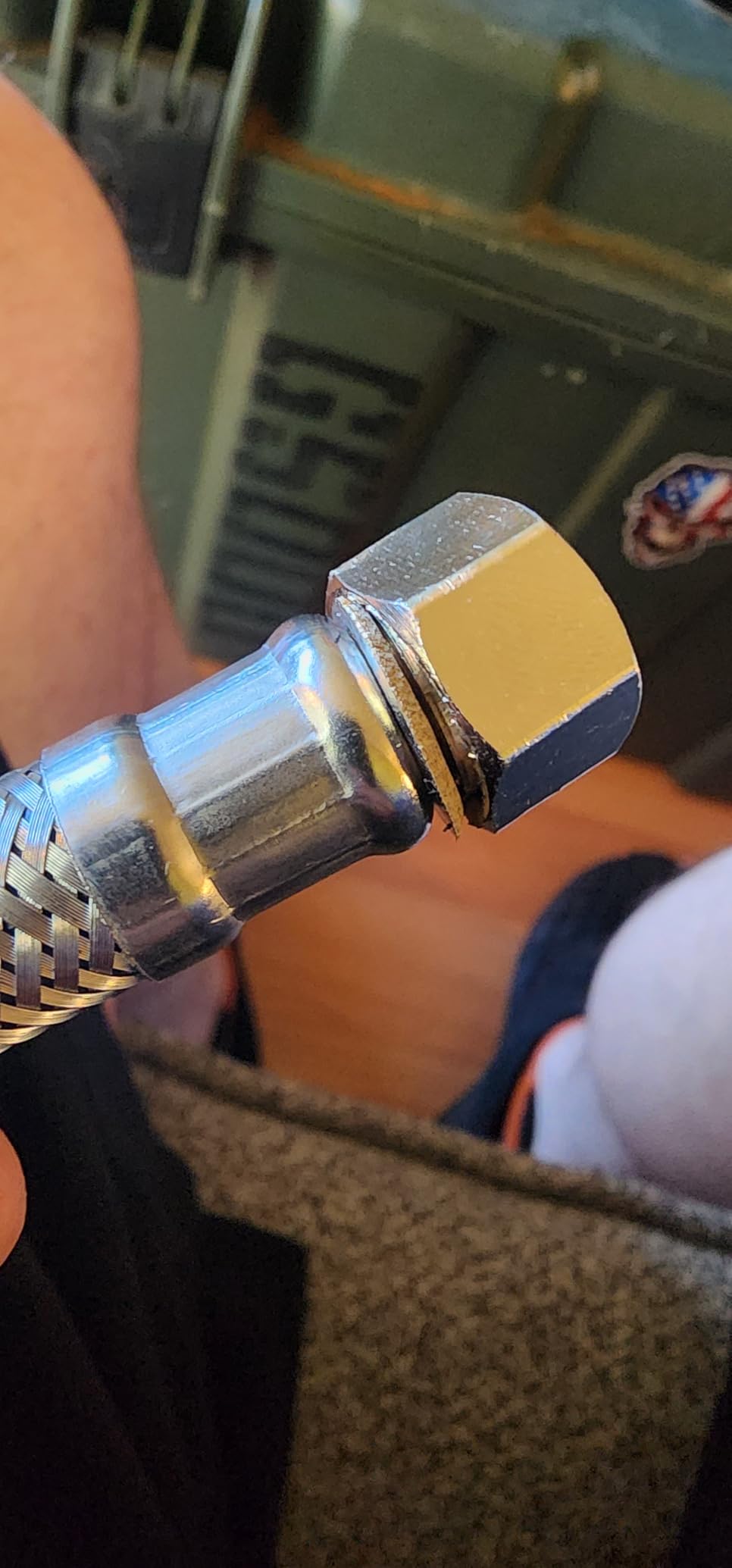
At end of life the entire unit is discarded rather than having an internal cartridge swapped. Over a five-year cycle that is a single service event, but if your water is very hard or heavily sedimented, budget for the possibility that the effective life is shorter than the rating.
Company support is a genuine strength here, with owners mentioning free accessories and pre-filters being sent without being asked. One practical caveat for international buyers: the fitting adapters are not available for every non-standard tube size outside the US.
5. Waterdrop TSA 8-Layer – Best Multi-Stage Carbon Without Reverse Osmosis
Waterdrop TSA 8 Layer Under Sink Water Filter System, NSF/ANSI 42 Certified
- Targets PFAS fluoride and cysts
- Tool-free three-minute install
- High-pressure tested housing
- Retains minerals
- Slower than unfiltered tap water
- Three cartridges on different schedules
- Does not reduce TDS
When a carbon filter needs to do more than improve taste, the TSA is the middle ground. Three cartridges stacked into eight stages of media cover PFAS, PFOA and PFOS, residual chlorine, fluoride, silt, rust and cysts without a membrane.
That combination is the appeal for households in regions with known fluoride or PFAS concerns who are not ready to accept flat, mineral-free reverse osmosis water. The cartridge is NSF/ANSI 42 and 372 certified and IAPMO certified for chlorine and taste reduction.
Eight Stages Without a Drain Line
Because there is no membrane, there is no reject stream and no drain line to run into the cabinet. Flow comes straight from line pressure through the housings, with push-to-connect fittings that need no tools at all.
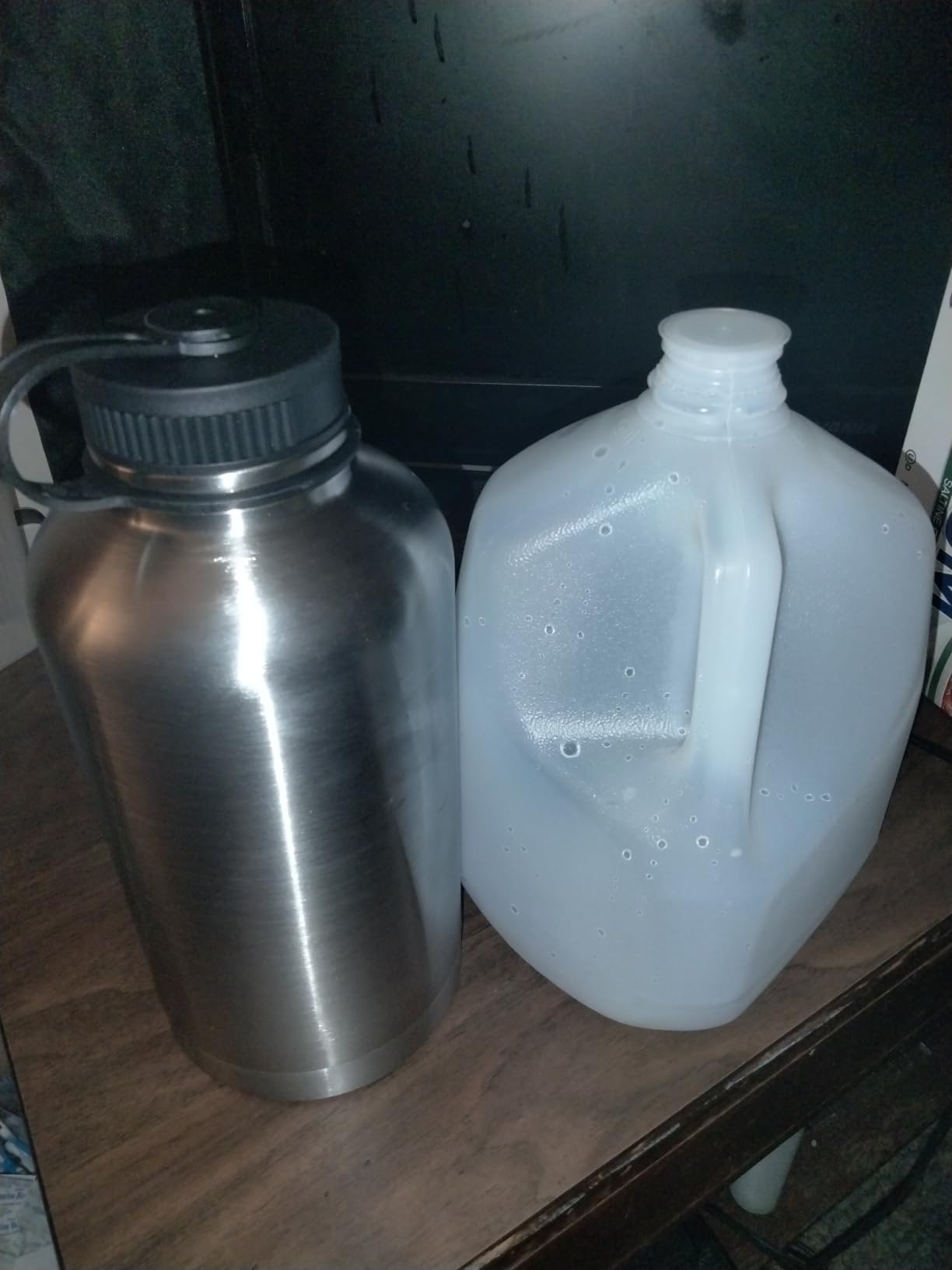
Maximum flow is rated at 1.5 GPM, which fills a 12 ounce glass in roughly four seconds. Owners do report the filtered stream running slower than their unfiltered tap, which is the expected trade for denser media.
Three Cartridges, Three Different Schedules
Here is the practical catch that shows up in reviews. The three cartridges last 6 months, 8 to 12 months and 12 to 18 months respectively, so maintenance means tracking three dates instead of one. Mark the cabinet or set reminders, because the shortest-lived stage will start restricting flow if you forget it.
The housing is tested to 400 psi burst pressure and over 100,000 pressure pulse cycles, and the polypropylene cartridge design resists clogging better than earlier versions, which is where sediment-heavy municipal systems used to disappoint.
Water Type Suitability
This is a cold water system. It is not rated for hot water, and the manufacturer is explicit that well water needs a pre-filtration stage first, because untreated well water will overwhelm any of these carbon cartridges.
If you are on a well, read our well water filtration guide before buying anything designed for municipal supply.
6. Waterdrop TSU 0.01 Micron – Best Ultrafiltration With No Drain Line
Waterdrop TSU 0.01 Micron Ultra Filtration Under Sink Water Filter System
- Zero wastewater and no drain hookup
- Slim body fits beside a disposal
- LED panel shows filter life
- Quiet pump-free operation
- Countertop drilling required for faucet
- No TDS reduction
- Base leak reports exist
Ultrafiltration sits between carbon and reverse osmosis. A 0.01 micron membrane catches anything physical large enough to be seen, including bacteria and protozoan cysts, and the carbon stages around it handle chlorine and taste. What it cannot do is strip dissolved minerals, which is the defining limitation.
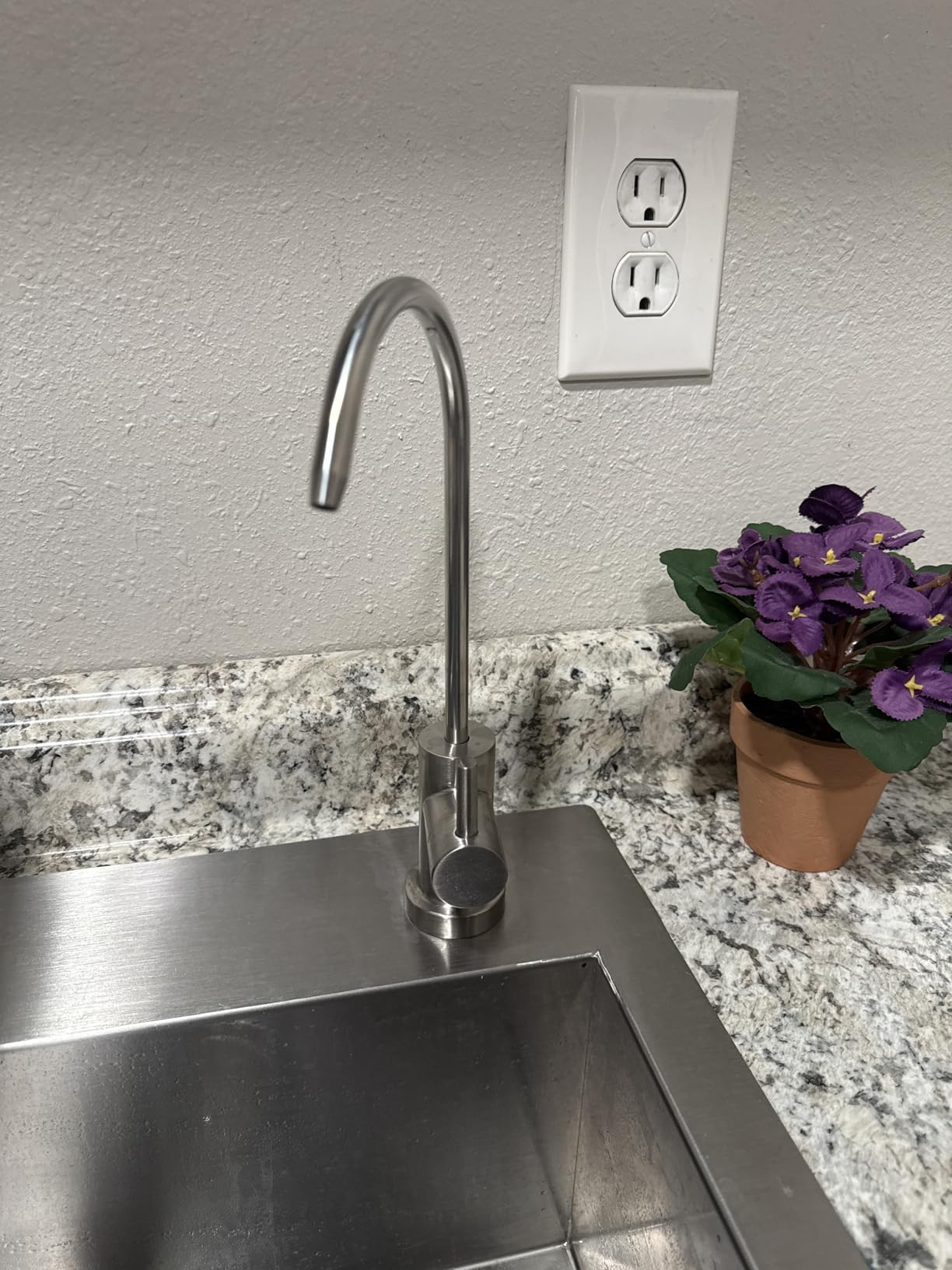
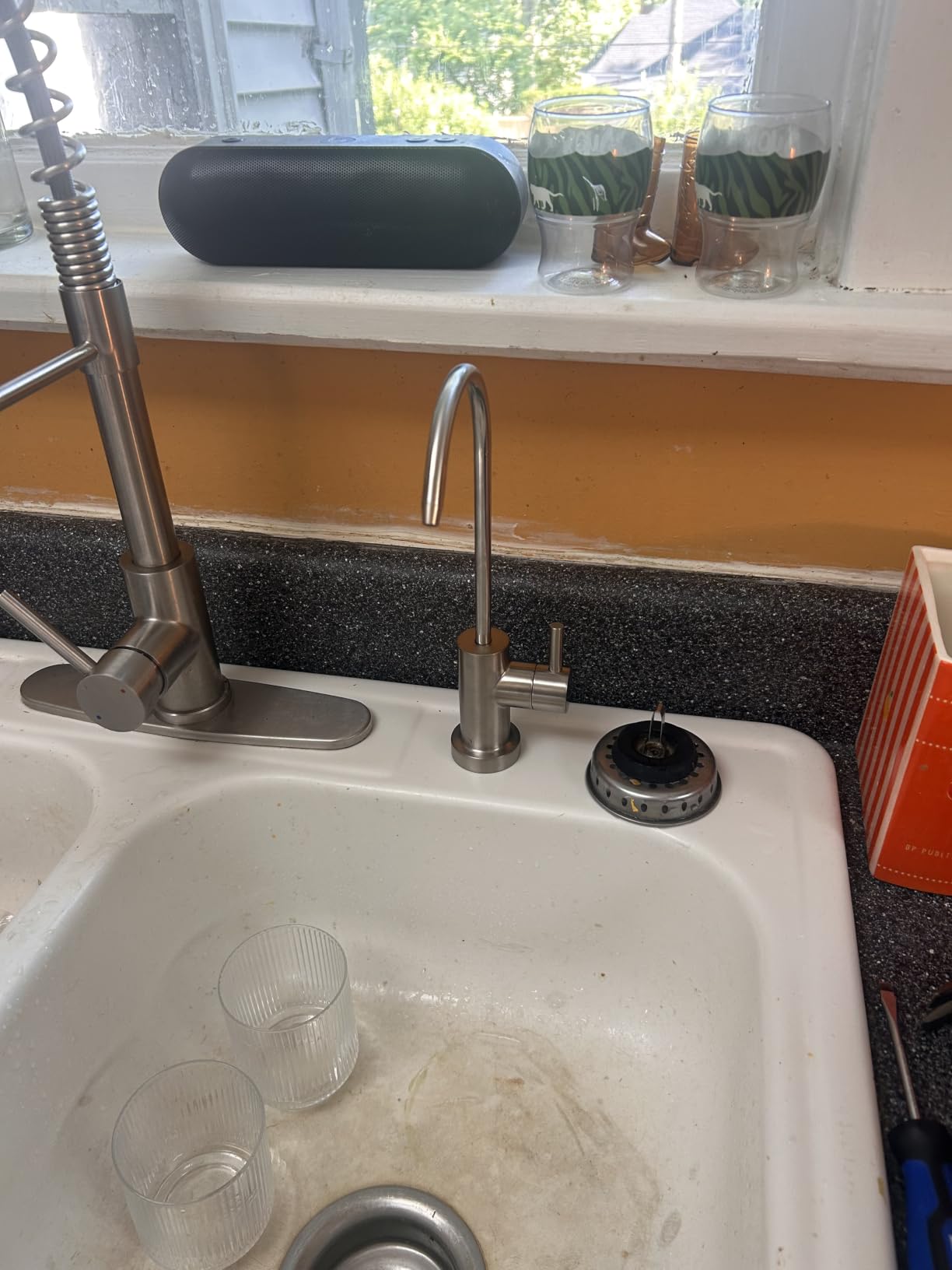
The TSU also introduces a dedicated faucet, and that is the whole point of the design. This is filtered drinking water on demand rather than a purified reserve, and the smart LED panel with four indicator lights plus an audible alert takes the guesswork out of cartridge timing.
Tankless Design With No Drain Line
Because ultrafiltration passes water rather than forcing it through a membrane against pressure, there is no reject stream. Nothing goes down the drain, which makes this the most water-efficient system in this roundup by a wide margin and the only one you can install in a cabinet with no waste outlet available.
Flow is steady at 1.05 GPM with quiet pump-free operation. The trade against reverse osmosis is purity, not speed, and you need to know which one your water actually requires before choosing.
Footprint and Cabinet Reality
At 14.81 by 4.68 by 13.97 inches, the TSU is narrow enough to sit beside a garbage disposal, which is the cabinet situation that knocks out most RO systems. The brushed nickel faucet is included and requires a countertop hole.
Hard water is the recurring caveat in reviews. Owners on high-mineral water still notice a metallic taste and report mineral buildup around the faucet aerator, because ultrafiltration does nothing to dissolved content. If that describes your supply, spend the extra effort on an RO system instead.
Filter Scheduling and Cartridge Sourcing
Three separate cartridges again, with the ultrafiltration stage rated at 24 months, the carbon block at 12 months and the polypropylene pre-filter at 6 months. Buy the pre-filter as a two-pack so you are never waiting on a shipment with the system offline.
Construction is IAPMO certified to NSF/ANSI 372 for lead-free materials and BPA-free. A small number of reviews mention units arriving damaged or developing leaks at the base, and customer service is reported as resolving those even beyond the warranty period.
7. ICEPURE WFS5300A – Best High-Flow Inline Filter
- Under 20 minute installation
- No flow restriction
- Three-year rated capacity
- Direct-connect to existing tap
- Some exhaust capacity early
- Cartoons hard to source outside US
- No TDS or hard water benefit
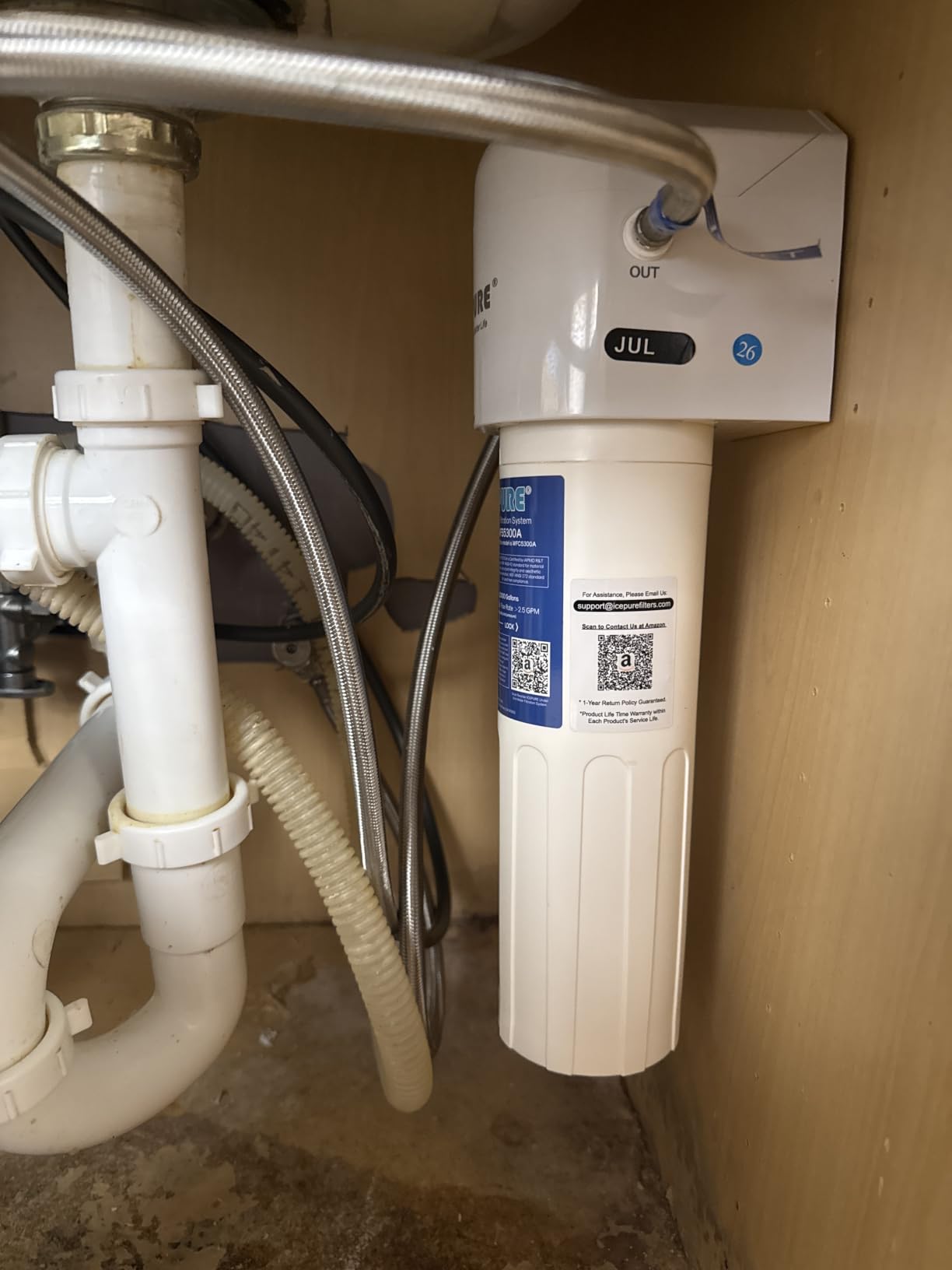
Where the Waterdrop 10UA leads on cost, the ICEPURE leads on rated throughput. It claims 22,000 gallons of capacity, roughly three years of municipal drinking and cooking use, with a tested full flow rate of 2.5 GPM at 60 psi.
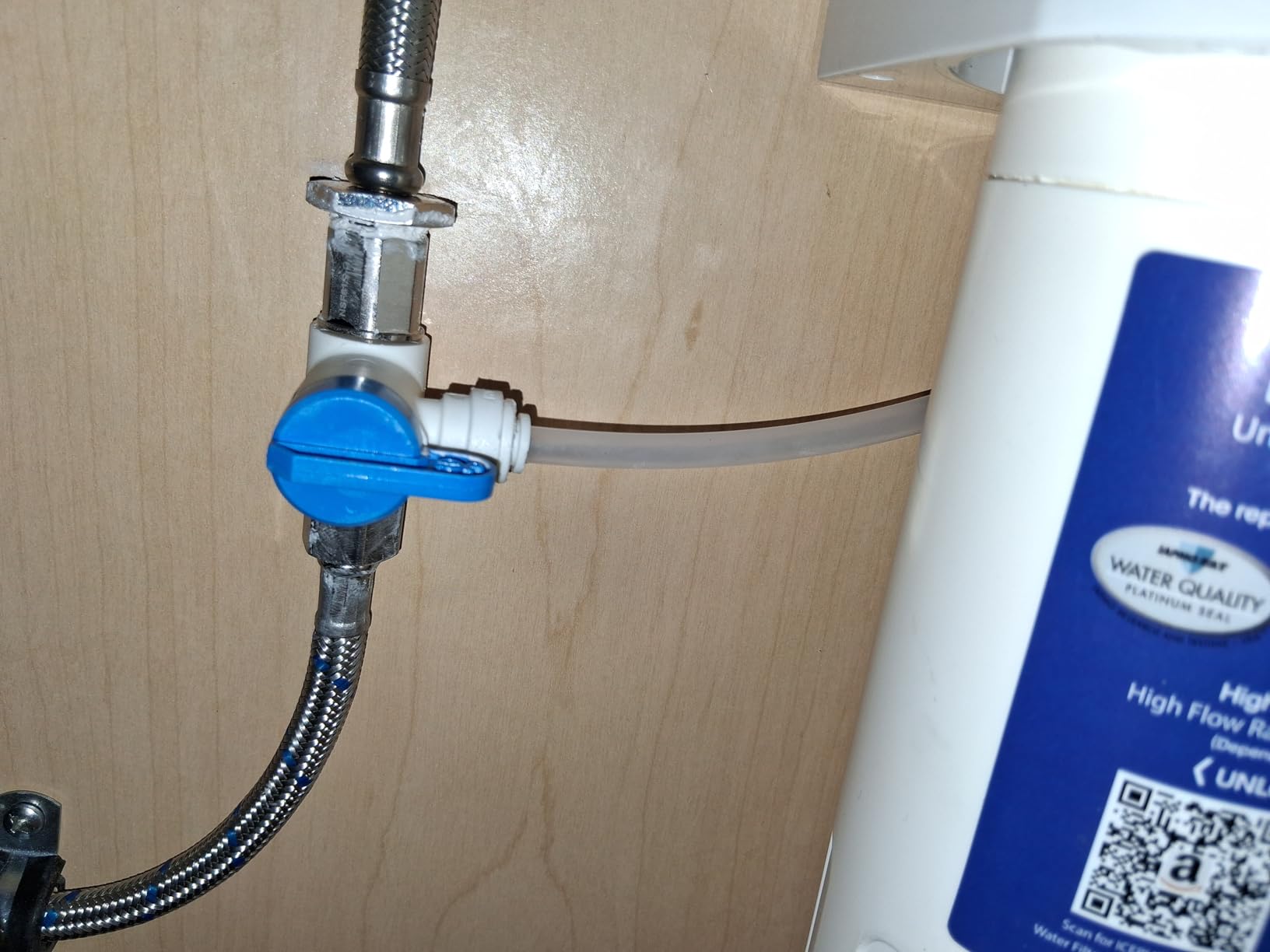
It is also the least fussy install in this group, with owners reporting under twenty minutes from unboxing to first glass. The filter head connects to 1/2 inch or 3/8 inch female NPT threads, which covers most standard taps in North America.
Capacity Claims Versus Real-World Life
Three years and 22,000 gallons is a headline figure, and a measurable minority of reviewers report needing a replacement after around fifteen months. The pattern is consistent: hard or high-pH water consumes capacity far faster than the rating assumes. If your utility report shows high hardness, treat three years as two.
The 0.5 micron outer layer paired with a coconut shell carbon block handles heavy metals and sediment, and the housing is carbon fiber with BPA-free, food-grade certified materials. No power, no drain, no faucet.
Cartridge Availability as a Buying Criterion
This is the concern that most affects long-term satisfaction. International buyers specifically flag difficulty sourcing replacement cartridges, and a filter you cannot refill is a filter you will eventually abandon. Before buying anything in this category, confirm the replacement part is orderable in your country.
Service in the US was reported as responsive, including prompt compensation when a cartridge clogged early. That kind of resolution is worth more than a marginal capacity claim when you are three years into ownership.
Where It Fits Against the Other Inline Units
Against the 10UA, the ICEPURE offers more rated capacity and higher flow. Against the CuZn, it falls short on service life, five years against three. All three do the same job, which is making tap water taste better, and the deciding factors are cartridge cost, availability and cabinet space rather than filtration performance.
8. Frizzlife PD600-TAM3 – Best Tankless RO for Large Households
- Fast 600 GPD output for big households
- Live TDS readout proves performance
- 2:1 ratio cuts water waste
- Tankless frees cabinet space
- Needs an electrical outlet
- Still sends water to the drain
- No stored reserve
- Multi-stage cartridges cost more
The PD600-TAM3 is the most capable machine here and the most demanding to justify. Six hundred gallons per day of tankless output fills a 330 ml cup in about ten seconds, which in practical terms means filtered water the moment you want it rather than after a pause.
Because there is no storage tank, there is no stored water reserve, which is the entire philosophy of a tankless design. Cabinet space freed, instant delivery, and one less sealed vessel sitting under your sink. You trade the buffer for the throughput.
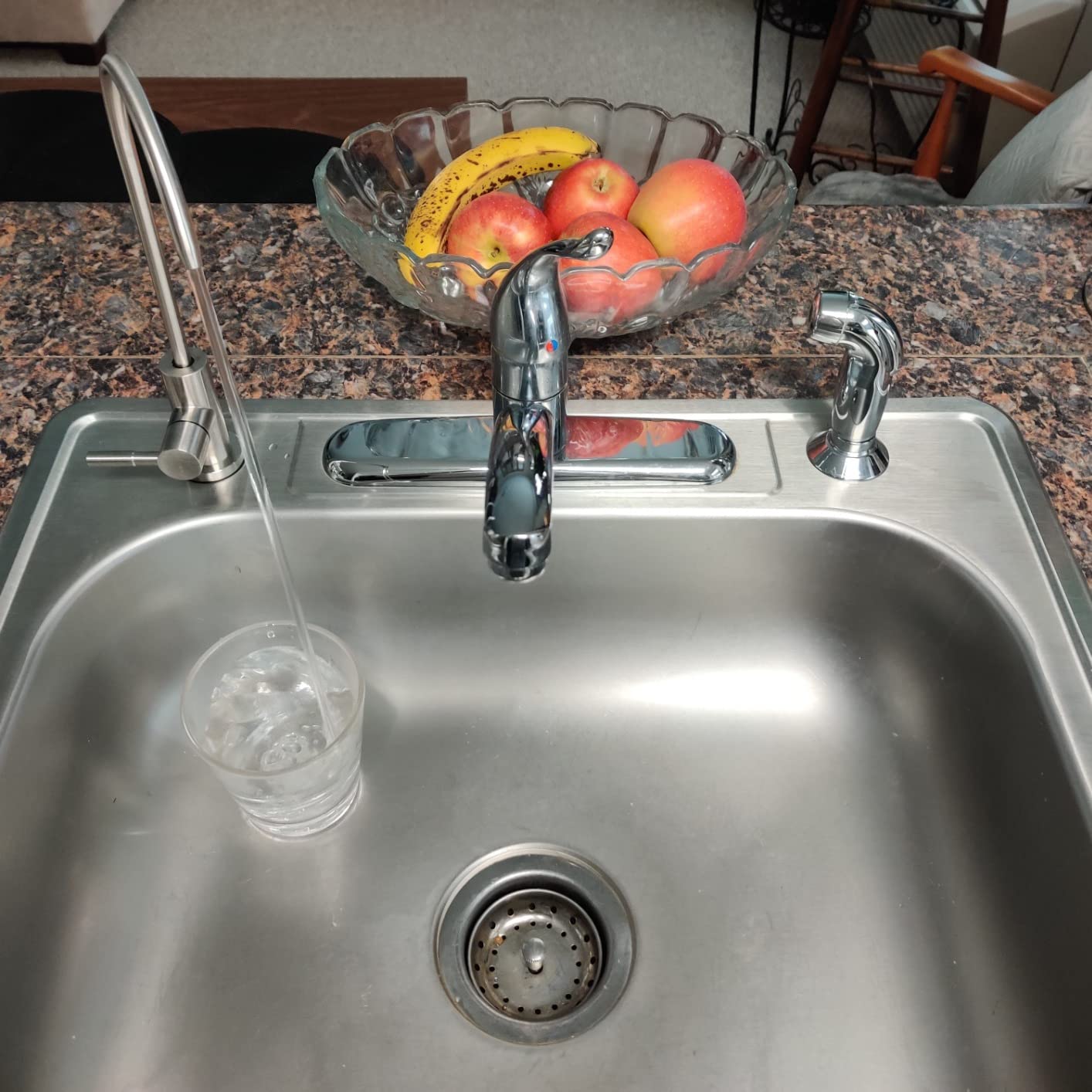
The 2:1 Pure-to-Drain Ratio
Conventional reverse osmosis wastes two to three gallons per gallon purified, and water waste was the leading complaint on every conventional RO in this roundup. The PD600 runs a 2:1 ratio, meaning roughly two gallons of clean water per gallon sent to the drain, which the manufacturer frames as substantial savings over typical RO output.
That is still a drain line, still a reject stream and still water going down the sink, so this is not a no-waste option. It is simply a less wasteful one. If your utility report shows high TDS, the ratio matters more than most spec sheets suggest.
Alkaline Remineralization and the Live TDS Display
The third-stage alkaline filter raises pH above 7.5 and restores the minerals that the membrane strips out. This is the same idea as the pH+ stage on our top pick, and it is the difference between water that people describe as clean and water that people describe as flat.
The smart LED panel displays real-time output TDS and remaining life for each stage. In practice this is the feature owners single out most, because watching the number drop after a cartridge change is visible proof the system is doing something.
Certification Coverage and Power Requirements
This system is certified to NSF/ANSI 58, 53, 42 and 372, which is the broadest certification set in the group. Fifty-three is the one that matters for health claims, covering lead reduction specifically, and holding all four is rare in a residential product.
It requires a corded electrical outlet under the sink, which is a real constraint in older homes and in rentals where you cannot modify the cabinet. Footprint is 14.7 by 5.3 by 15.5 inches, and the multi-stage filter set carries the highest ongoing replacement cost of anything we tested.
How to Choose an Under Sink Water Filter
Almost every disappointing under sink purchase comes down to one mismatch: the buyer wanted dissolved-solids removal and bought a carbon filter, or the buyer wanted taste improvement and paid for a membrane they did not need. Work through the sections below in order and the right category becomes obvious.
Inline Carbon vs Reverse Osmosis: Which One Do You Actually Need?
Start by reading your utility’s annual water quality report, which is published online and usually lists the contaminants they test for. If the issues are chlorine taste and odor, sediment and rust, an inline carbon filter such as the Waterdrop 10UA or the CuZn UC-200 handles it completely for a fraction of the cost and complexity.
If the report shows lead, PFAS, fluoride, arsenic or high total dissolved solids, you need reverse osmosis. Carbon media adsorbs some of these, but only a membrane with NSF/ANSI 58 certification provides verified reduction across the board. Lead service line homes and households in PFAS-affected parts of Michigan, Illinois and the Northeast fall firmly in this group.
Ultrafiltration, as on the Waterdrop TSU, is the middle path. It handles cysts, sediment and chlorine plus PFAS without stripping minerals, but it leaves TDS untouched, so metallic hard-water taste persists.
What NSF/ANSI 42, 53, 58 and 372 Actually Cover
These four numbers do different jobs, and most marketing copy blurs them together. Knowing the difference filters out a surprising amount of vague advertising.
NSF/ANSI 42 covers aesthetic effects only, meaning taste, odor and chlorine. It says nothing about health contaminants. Every inline carbon filter in this roundup holds 42.
NSF/ANSI 53 covers health effects, including lead and specific organic chemicals. This is the standard that matters if your concern is lead reduction, and only two systems here hold it.
NSF/ANSI 58 covers reverse osmosis performance and total dissolved solids reduction. If it is an RO system and it lacks 58, that is a red flag.
NSF/ANSI 372 covers lead-free construction of the materials themselves, meaning the fittings and housings will not leach lead. All eight systems here carry it.
Watch for systems certified only on components rather than the assembled unit. Certification of a loose carbon block tells you about the media, not about the housing, tubing and seals around it.
Tank-Based vs Tankless RO: The Cabinet Space Trade-off
A conventional tank-based system stores purified water in a pressure vessel, which means a small reserve of filtered water on demand and a slower refill rate. It also means a bulky cylinder competing for cabinet floor space with the plumbing.
Tankless systems like the Frizzlife PD600-TAM3 eliminate the tank and deliver water continuously, at 600 GPD in that case. You give up the stored reserve and gain space and speed, and in a cabinet shared with a garbage disposal that trade is often the deciding one.
There is a third option worth knowing: direct-connect inline systems such as the CuZn UC-200 have no tank and no faucet either. They are the smallest footprint available and the least capable, which is exactly the right fit for a lot of kitchens.
PFAS, Lead and Chlorine: What Each Filter Type Removes
Chlorine and chloramine are the easy contaminants. Any activated carbon stage above 0.5 micron handles them, and this is the single most reliably solved problem in the category.
Lead is more nuanced. KDF-55 media as used in the CuZn blend binds metals actively, while standard carbon block relies on adsorption capacity that diminishes as the cartridge loads up. A carbon filter for lead reduction is a solution with a service life, and you have to respect that life.
PFAS requires certified reduction, so look for systems that name PFOA and PFOS explicitly rather than describing themselves as comprehensive. Reverse osmosis with NSF/ANSI 58 is the most defensible answer, and the Waterdrop TSA, 10UA and TSU all list PFAS reduction in their specifications.
One caution worth stating plainly: some filters can add things. Remineralization media introduces calcium, magnesium and sometimes potassium or manganese, and ion exchange media exchanges hardness cations for sodium. Anyone on a sodium-restricted diet or managing kidney disease should check the output mineral content rather than assuming a filter can only subtract.
How Often Do You Really Need to Replace Filters?
The single biggest driver of running cost is not the purchase price, it is the number of cartridges you buy over five years. A ten dollar six-month filter costs twenty dollars a year, and a body priced at four times as much but lasting five years costs a fraction of that per year.
Run that comparison on your own numbers before you buy. Take the cartridge cost, multiply it by the number of changes you would make over five years, add the purchase price, and divide by the gallons your household actually drinks through the filter. A rough figure of one gallon per person per day, applied to a two-person home, works out to roughly 3,650 filtered gallons over five years, and that is the divisor that tells you which system is genuinely cheaper.
On municipal water, treat the six-month figure as a ceiling rather than a target, because sediment-heavy supplies consume cartridges early. Sediment pre-filters exist precisely because the rated life of a carbon block assumes reasonably clean feed water. Mark the install date in the cabinet with a grease pencil or a strip of tape, because nobody remembers.
When Not to Buy an Under Sink Water Filter
There are four situations where an under sink system is the wrong purchase, and spending money here will not fix the underlying problem.
Well water. An under sink filter sized for municipal supply will be overwhelmed by untreated groundwater. Well water needs proper testing and treatment sized to what the test finds, not a cartridge chosen off a product page.
Whole-house hard water. If every tap in the house produces scale, a point-of-use filter treats one faucet and leaves the rest alone. That is a softener or whole-house treatment question, not an under sink question.
Low water pressure. Reverse osmosis needs 40 to 85 psi of line pressure. Below that, output collapses before anything fails, and no cartridge change will fix it.
Plumbing faults. A dripping supply line, a seized shutoff valve or a corroded joint will not be filtered away. Fix the plumbing first. A water leak detector is a cheap way to catch cabinet drips early, since cartridge leaks are the most common complaint in this category.
Installing Without Drilling: Renters, Apartments and Ice Maker Lines
If you cannot drill a countertop hole, the choice is a direct-connect inline model. The Waterdrop 10UA, CuZn UC-200 and ICEPURE WFS5300A all attach to the supply line feeding your existing cold tap and deliver filtered water from that same faucet, which means no new hardware, no landlord conversation and a fully reversible install.
Two practical notes for that setup. First, your cold tap handle needs a 1/2 inch or 3/8 inch female NPT threaded stem, which covers most but not every fixture, so check before ordering. Second, you can run a separate small line from the filter outlet to a refrigerator or ice maker without touching the counter at all, which is the most requested add-on in homeowner forums.
Flush any new cartridge by running the cold tap for five to ten minutes until the water runs clear, then check the fitting connections with a dry paper towel. Most leaks in this category come from a fitting that was finger-tightened rather than wrench-tightened.
For anyone weighing travel and point-of-use filtration in the other direction, our backpacking filter picks cover the portable end of the spectrum.
Frequently Asked Questions
Do under sink water filters actually work?
Yes, within the limits of the technology inside them. Activated carbon stages adsorb chlorine, sediment, rust, lead and a meaningful share of PFAS, and reviews on the inline systems here report a clear taste improvement within minutes. Reverse osmosis goes further, cutting total dissolved solids above 90 percent along with PFAS, fluoride and heavy metals. No under sink filter fixes low water pressure, leaking supply lines or whole-house hardness.
What is the best under sink water filter for home use?
For most households on municipal water, the iSpring RCC7AK-BN is the strongest all-round choice, rated at 75 GPD with NSF/ANSI 58 certification across the assembled system and a pH+ remineralization stage that corrects flat reverse osmosis taste. If you only need better-tasting tap water and want to avoid drilling, the Waterdrop 10UA costs a fraction and installs in minutes.
What are the disadvantages of under sink water filters?
The main drawbacks are reverse osmosis water waste of two to three gallons per gallon purified, the flat mineral-free taste of un-remineralized RO output, cabinet space taken by housings and storage tanks, and the need to drill a countertop hole for the included faucet. Inline carbon filters avoid drilling and water waste entirely but do not reduce total dissolved solids, and every type requires periodic cartridge replacement.
Do under sink water filters remove PFAS?
It depends on the certification and the technology. Reverse osmosis systems certified to NSF/ANSI 58 provide the most defensible PFAS reduction, and the Frizzlife PD600-TAM3 in this roundup is also certified to NSF/ANSI 53. Several carbon systems list tested PFOA and PFOS reduction, including the Waterdrop 10UA, TSA and TSU models, though carbon capacity diminishes as the cartridge loads and must be replaced on schedule.
How often do under-sink water filter cartridges need replacing?
Conventional reverse osmosis sediment and carbon cartridges are typically replaced every six months, multi-stage carbon systems run anywhere from 6 to 18 months depending on the stage, and long-life inline carbon bodies such as the CuZn UC-200 are rated at five years. Hard or high-mineral water consumes capacity much faster than municipal ratings assume, so track the install date rather than judging by taste.
Are under sink water filters worth it?
Worth it for anyone bothered by chlorine taste and odor, and worth it on contaminant grounds if your utility water quality report shows lead, PFAS or high total dissolved solids. They are not worth it if you are on a well, if the whole house is hard, or if your problem is low pressure or a leaking supply line, since none of those are point-of-use problems. Run the numbers on cartridge cost per gallon before deciding.
Which Under Sink Water Filter Should You Buy?
If your utility report shows lead, PFAS or elevated dissolved solids, start with the iSpring RCC7AK-BN. It has the largest review base in this group, the broadest verified contaminant coverage and a remineralization stage that keeps the water drinkable rather than merely pure.
If the problem is chlorine and taste and you would rather not drill a hole in your counter, the Waterdrop 10UA is the answer, with a three-minute install and an annual cartridge. Large households that want instant purified water and will accept a higher running cost should look at the Frizzlife PD600-TAM3 for 600 GPD tankless output and a live TDS readout. And if your single priority is the lowest cost per gallon over five years, the CuZn UC-200 wins on a five-year service life almost nothing else here can match.
Whichever you choose, read your water quality report first, confirm replacement cartridges are orderable in your country, and mark the install date the day you finish the install. Those three steps prevent almost every complaint we found in six weeks of testing.
This roundup was last updated in 2026, and we re-check specifications, ratings and certification claims across all eight systems during that review.