12 Best Trailer Tires for Long Trips (October 2026) Complete Reviews
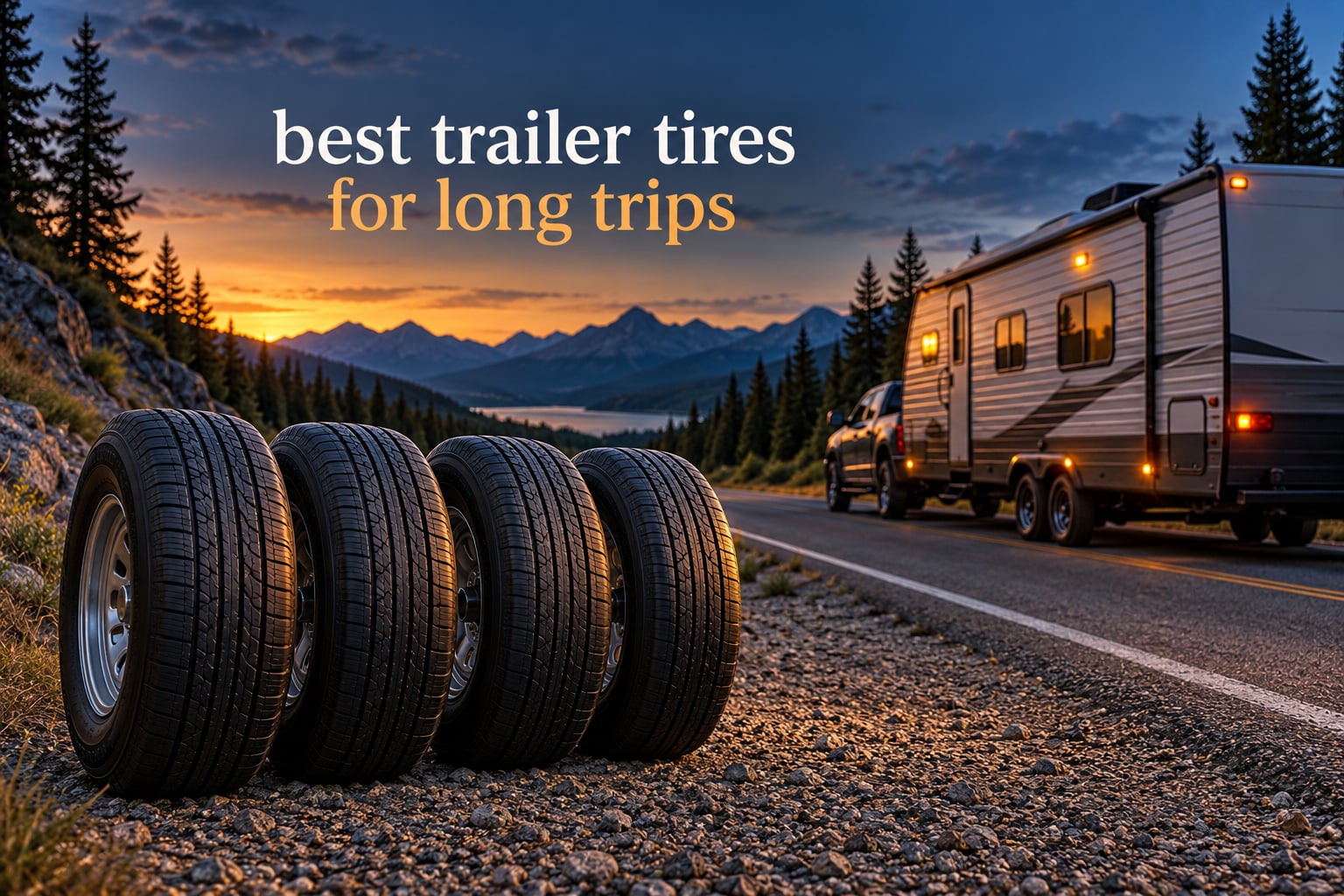
The short answer for anyone towing a long way: buy a radial ST (Special Trailer) tire in load range D or E with a speed rating of at least L, and run it at the cold pressure printed on the tire’s sidewall. Heat, not tread wear, is what kills trailer tires on long trips, and radial construction plus correct inflation is how you control it.
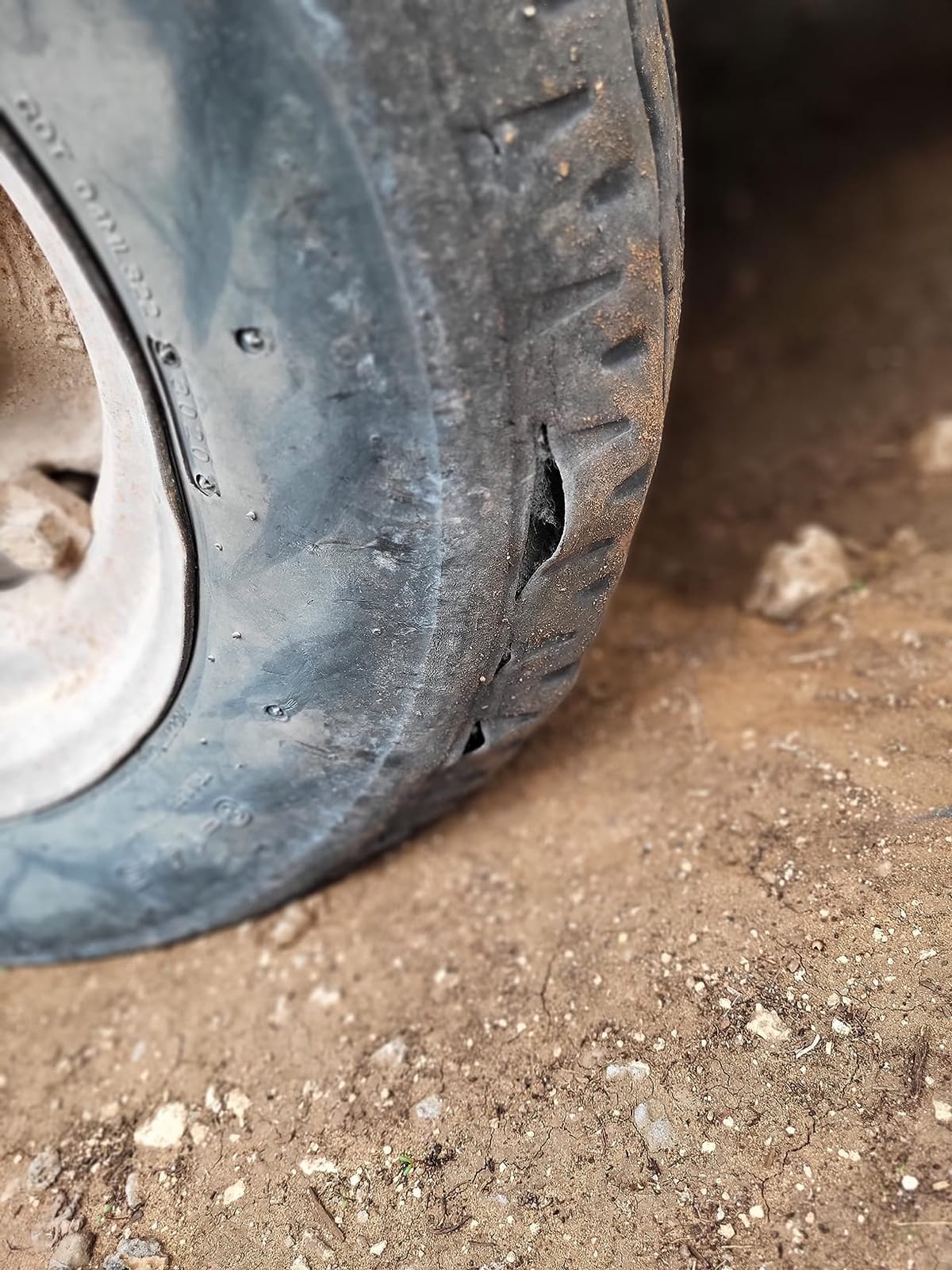
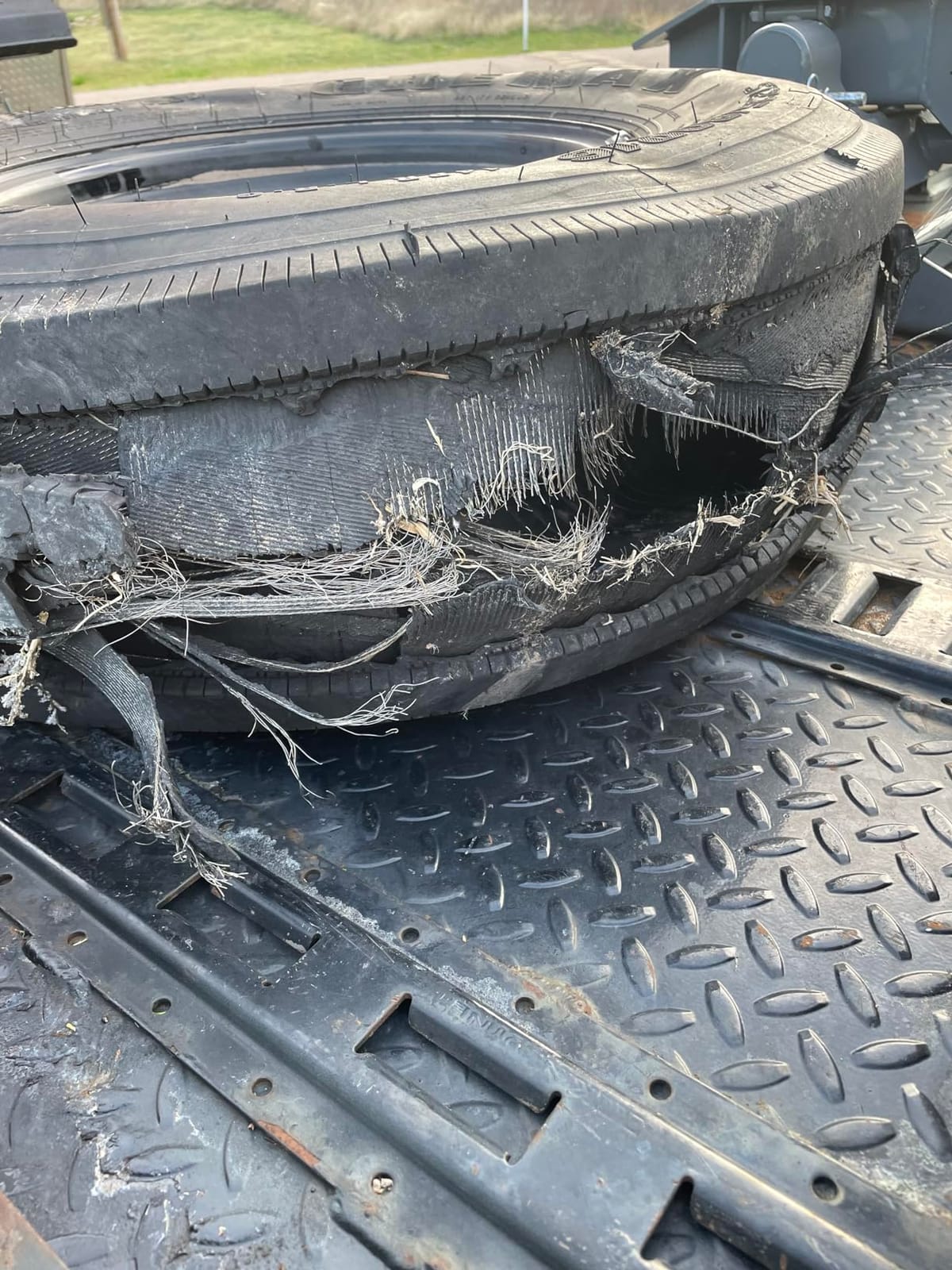
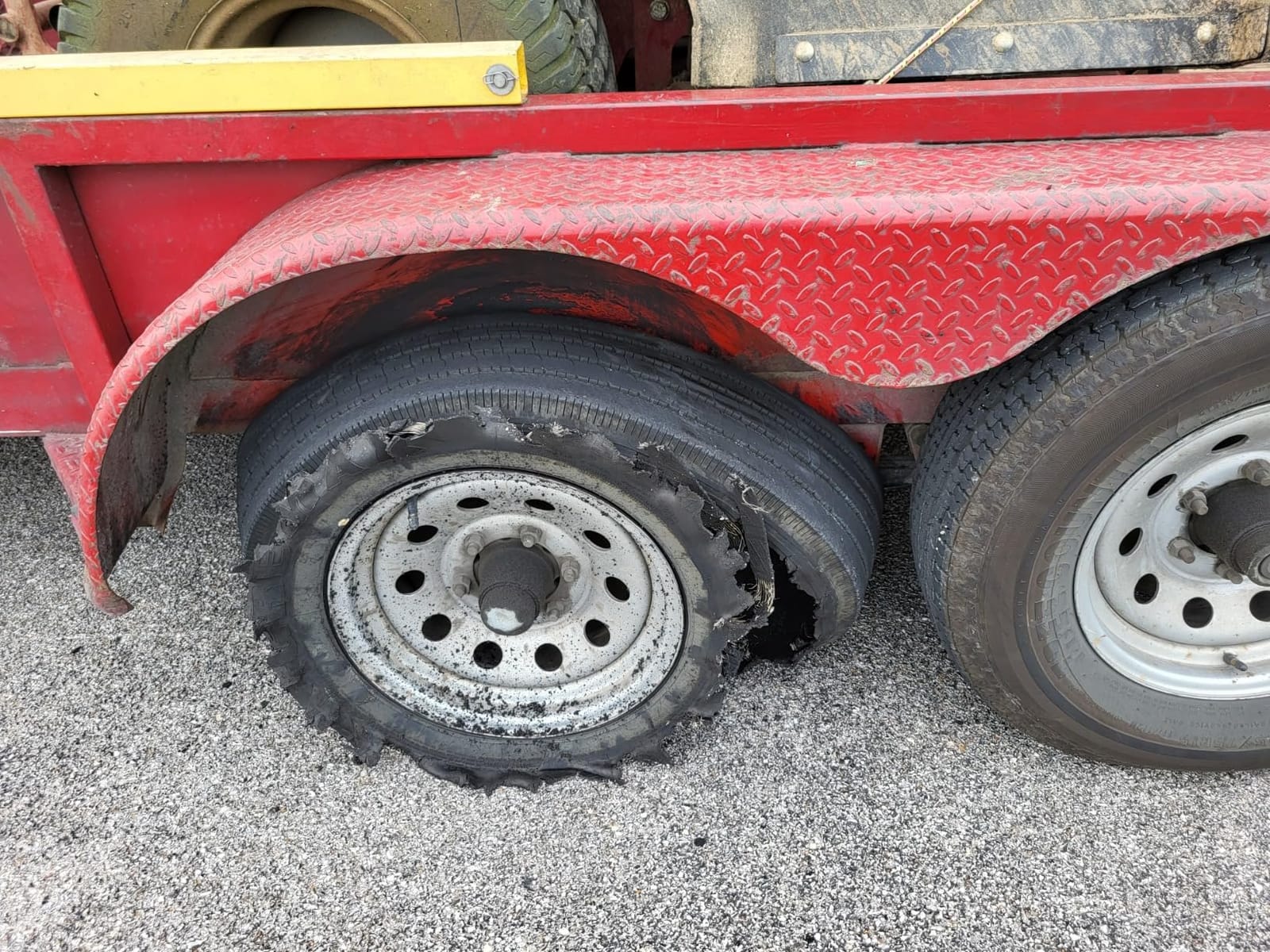
I have spent more time than I care to admit reading owner posts on r/traveltrailers, r/GoRVing, and r/tires, cross-checking what people actually run thousands of miles a year against the specs on the tire sidewalls. The pattern is consistent. Owners who do real highway miles gravitate to load range D and E radials, they check pressure cold before every departure, and they replace tires at five years regardless of how much tread is left. The ones who blow out on a 900-mile run are almost always on old bias-ply tires or on radials that have been sitting underinflated for months.
That is the lens for this roundup. I did not rank these twelve by brand name or by shiny tread pattern. I ranked them by the things that decide whether a tire survives a long trip: construction type, load range and load capacity, maximum cold pressure, speed rating, tread depth, and how the tire behaves when it is hot and fully loaded. Every model below is a real ST or trailer-rated tire in the current lineup, and I list the numbers exactly as the manufacturer publishes them.
If your rig also carries bikes, boards or gear on the roof, our car roof cargo carrier picks cover that side of the load problem.
Our Top 3 Best Trailer Tires for Long Trips (October 2026)
These three cover the widest range of trailer weights and trip lengths, and each one earns its place for a different reason. The Carlisle is the one we would put on most trailers. The Free Country Grand Ride set wins on capacity and included hardware. The five-tire Free Country HD set wins because a spare on a cross-country run is worth more than one more tire on the rack.

Carlisle Radial Trail HD ST205/75R15
- Radial construction
- 8-ply load range D
- 2150 lb load capacity
- 65 psi max cold pressure

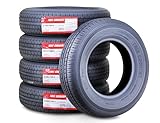
Free Country Grand Ride ST225/75R15 Set of 4
- 10-ply load range E
- 2830 lb per tire
- Full nylon cap ply
- Scuff Guard sidewall ring
Free Country HD ST205/75R15 Set of 5
- Five tires including a spare
- 10-ply load range E
- 2400 lb per tire
- Steel belted radial
Comparing 12 Trailer Tires Built for Highway Miles
Load range drives everything else on this list. A C-range tire tops out at far less capacity than the G-range units in the bottom rows, and that gap is the difference between a trailer that tracks straight at highway speed and one that gets soft and hot on grade. Read the capacity column against your trailer’s GVWR placard before you read anything else.
| Product | Specifications | Action |
|---|---|---|
| Carlisle Radial Trail HD ST205/75R15 8-ply |
|
Check Latest Price |
| Free Country Grand Ride ST225/75R15 10PR Set of 4 |
|
Check Latest Price |
| Free Country HD ST205/75R15 Set of 5 |
|
Check Latest Price |
 WANDA Set 2 Free Country ST205/75D15 WANDA Set 2 Free Country ST205/75D15 |
|
Check Latest Price |
 Free Country ST205/75R14 8PR Set of 2 Free Country ST205/75R14 8PR Set of 2 |
|
Check Latest Price |
 Transeagle ST ST235/80R16 14 Ply Set of 4 Transeagle ST ST235/80R16 14 Ply Set of 4 |
|
Check Latest Price |
 Transeagle ST II ST175/80R13 8 Ply Set of 2 Transeagle ST II ST175/80R13 8 Ply Set of 2 |
|
Check Latest Price |
 Roundrule ST Hikee ST235/80R16 10 Ply Roundrule ST Hikee ST235/80R16 10 Ply |
|
Check Latest Price |
| Transeagle ST ST225/75R15 14 Ply G |
|
Check Latest Price |
 DEMETER ST205/75R15 Set of 4 DEMETER ST205/75R15 Set of 4 |
|
Check Latest Price |
 Zeemax 8-14.5 Heavy Duty 14 Ply G Zeemax 8-14.5 Heavy Duty 14 Ply G |
|
Check Latest Price |
 GREMAX All Steel ST225/75R15 14 Ply G GREMAX All Steel ST225/75R15 14 Ply G |
|
Check Latest Price |
1. Carlisle Radial Trail HD ST205/75R15 – The All-Round Pick for Long Trips
- Radial construction runs cooler over long highway stretches
- 8-ply load range D handles typical travel trailer weight
- 2150 lb per tire leaves margin above placard weight
- Manufacturer lists improved tread wear and heat resistance
- Largest review base of any tire in this roundup
- Sold as one tire so a full set takes four purchases
- 8-ply falls short of what 10-plus ply heavy trailers need
- Rim not included
This is the tire I keep coming back to for a reason. It is a steel belted radial in 8-ply load range D, rated to carry 2150 pounds per tire at up to 65 psi cold, and at 27.13 inches in overall diameter it drops into the most common 15 inch trailer wheel without pulling the ride height around. Reviewers describe improved tread wear and greater heat resistance in the manufacturer’s own spec sheet, and that is precisely the pairing of traits a long trip needs.
With close to 3000 ratings behind it, this is also the easiest pick in the group to research before you commit. Owners running highway miles with moderately loaded trailers report it tracking straight and holding pressure between stops. If you tow a trailer whose GVWR puts you in the D-range sweet spot, this is the default answer.
One thing to plan around: it is a single tire, not a set of four. Budget for four, or at minimum for two so you can rotate positions and compare wear. The speed rating is M, which caps sustained highway speed at 81 mph, so it suits the large majority of people running 65 to 75 mph cross-country.
Why Load Range D Is the Sweet Spot for Most Trailers
Load range D on a 205/75R15 gives you 8 plies of carcass and a load index of 107. That number matters more than the tread pattern ever will. Multiply your per-tire capacity by the number of tires on the axle and compare against the axle rating on your GVWR placard, and you will know quickly whether this size is the right one for your rig.
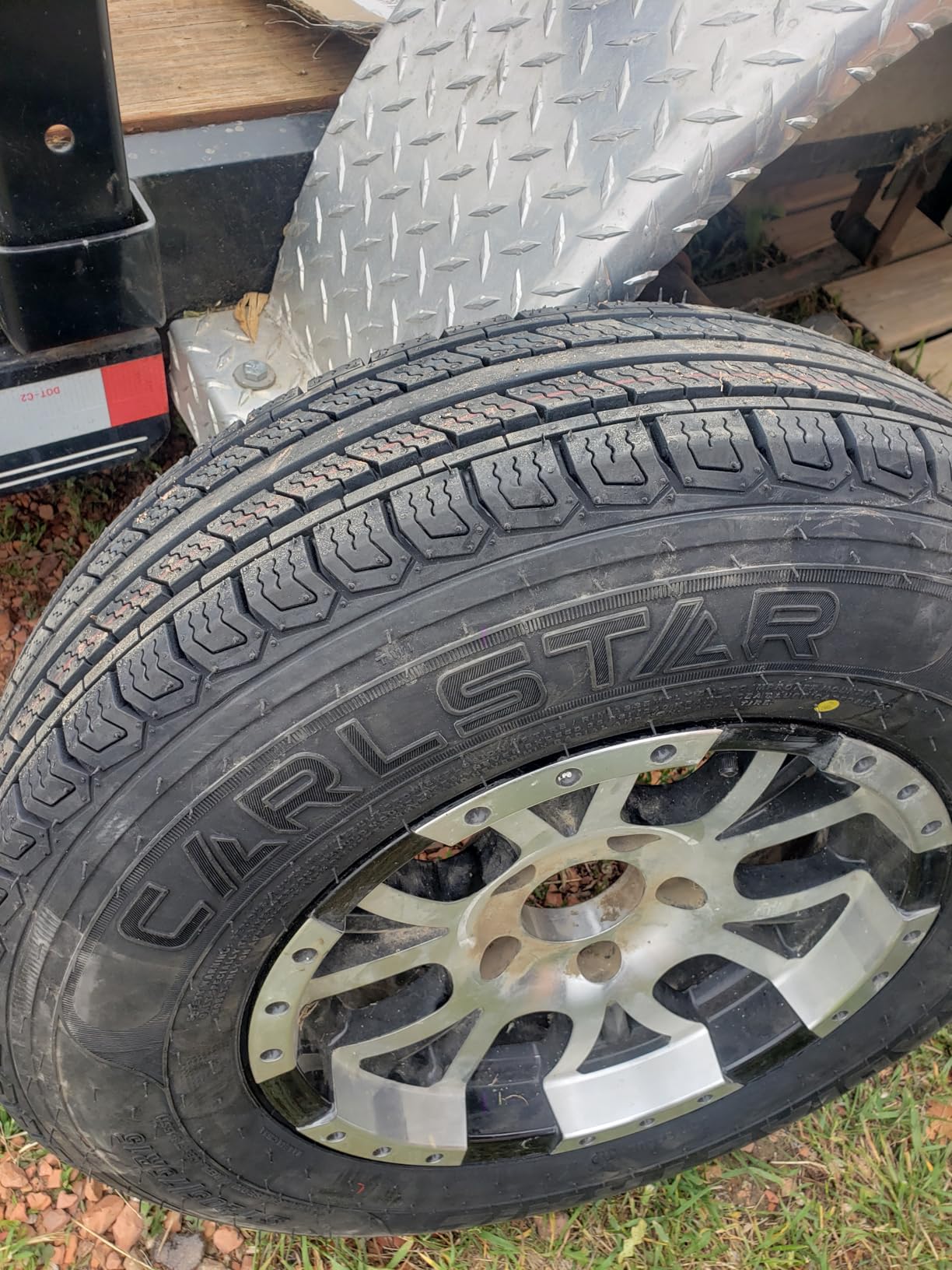
Heat Behaviour and the 65 psi Ceiling
Sixty-five psi is the maximum cold inflation pressure, not a target. Run what the trailer placard or the tire sidewall calls for, check it cold, and recheck every few hundred miles. Underinflation is what generates the excess flex that turns a normal tire into a heat problem over a long run.
2. Free Country Grand Ride ST225/75R15 – The Four-Tire Set With the Most Capacity
- 10-ply load range E is the heaviest rating on a 15 inch tire in this group
- 2830 lb per tire leaves wide margin above most trailer weights
- Full nylon cap ply covers the entire tread area
- Scuff Guard ring protects the sidewall from scuffing
- 7 mm tread depth outruns the 5.6 mm of typical competitors
- Rims not included
- Trailer use only so it will not fit passenger applications
When capacity is the question, this set answers it. Four 10-ply radials in load range E, each rated at 2830 pounds at up to 80 psi cold, at 28.11 inches in diameter. Owners running loaded trailers on long highway stretches report stable behaviour through multi-hour drives, and the construction details explain why: a full cap ply across the tread area adds a layer of protection that partial cap designs skip.
The Scuff Guard ring on the sidewall is a small detail that earns its keep on gravel forest roads and at truck stops. It is 28.8 pounds per tire, which is normal for an E-range 225-section tire, so plan your trailer’s payload for the added unsprung weight when you are near a weight limit.
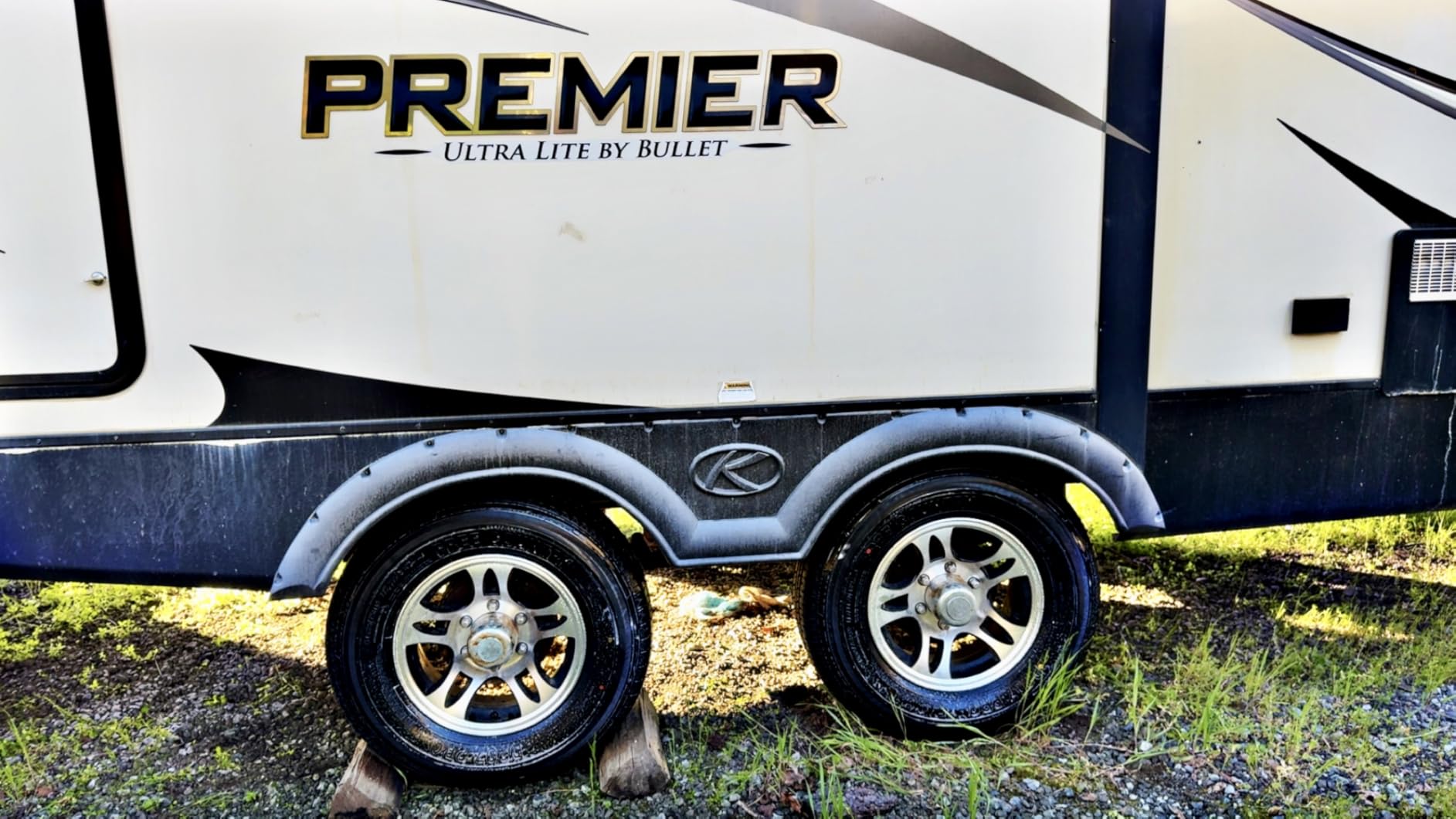
What the N Speed Rating Means for Your Trips
An N rating is 88 mph, the highest in this roundup. That is a ceiling, not a suggestion. The value for long-trip owners is that the tire is not the weak link when you are running 70 or 75 mph on a downhill grade with a loaded trailer, which is a real condition on routes through the Rockies and Appalachians.
Tread Depth and Where the Miles Go
Seven millimetres of tread in a symmetrical pattern is deep for this category, and depth translates directly into usable life on a long haul. Tread wear on a loaded trailer is driven by axle weight rather than steering input, so expect even wear across the face and check pressure rotation schedules to keep it that way.
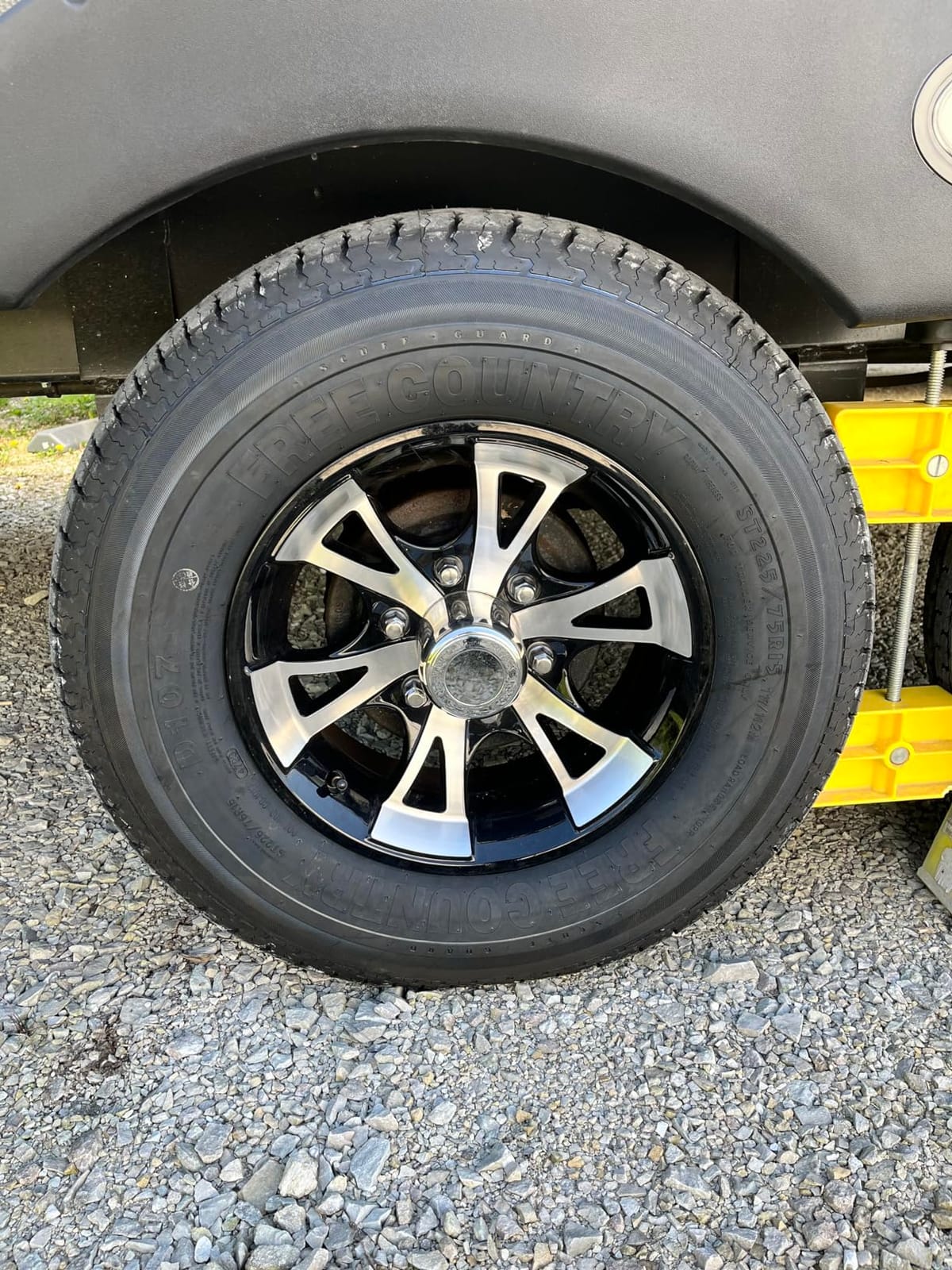
3. Free Country HD ST205/75R15 Set of 5 – Long Trips Where the Spare Matters
FREE COUNTRY HD Trailer Tires ST205/75R15 10PR LRE 111N w/Scuff Guard, Set5
- Five-tire set means a spare comes with the purchase
- 10-ply load range E rated at 2400 lb per tire
- Full cap ply overlay across the entire tread
- Scuff Guard sidewall ring
- Frequent owner reports of stability on 7-plus hour drives
- Rims not included
- A five-tire set costs more than a four-tire set
This is the set I would buy if the trailer spends more than a few weeks a year on the road. You get four tires plus a spare in the box, all 10-ply radials in load range E rated at 2400 pounds per tire at up to 80 psi cold. Owners running heavier trailers, including rigs in the 6500 pound range, report stable highway behaviour through seven-hour-plus drives.
A spare is the least glamorous item in this roundup and the one that changes a trip. A sidewall separation two hundred miles from the nearest town is a tow, a night in a motel and a ruined day. The fifth tire removes that scenario from the list, and it is the reason this set edges out the four-tire Grand Ride for high-mileage owners.
Load Range E and the 80 psi Working Range
E range at 2400 pounds per tire puts this set well clear of typical travel trailer requirements, which is exactly what you want as a margin. The cost of that margin is pressure discipline. These run up to 80 psi, and running them soft is the fastest way to generate the kind of heat that damages a cap ply.
Matching Tires Across All Positions
Always mount the same size, same ply, same load range at every position on the axle. Mixing a 205 with a 225 changes the overall diameter and the handling balance, and owners who chase sway by swapping one tire end up with themselves most of the time. If one tire is going to be replaced, replace all four.
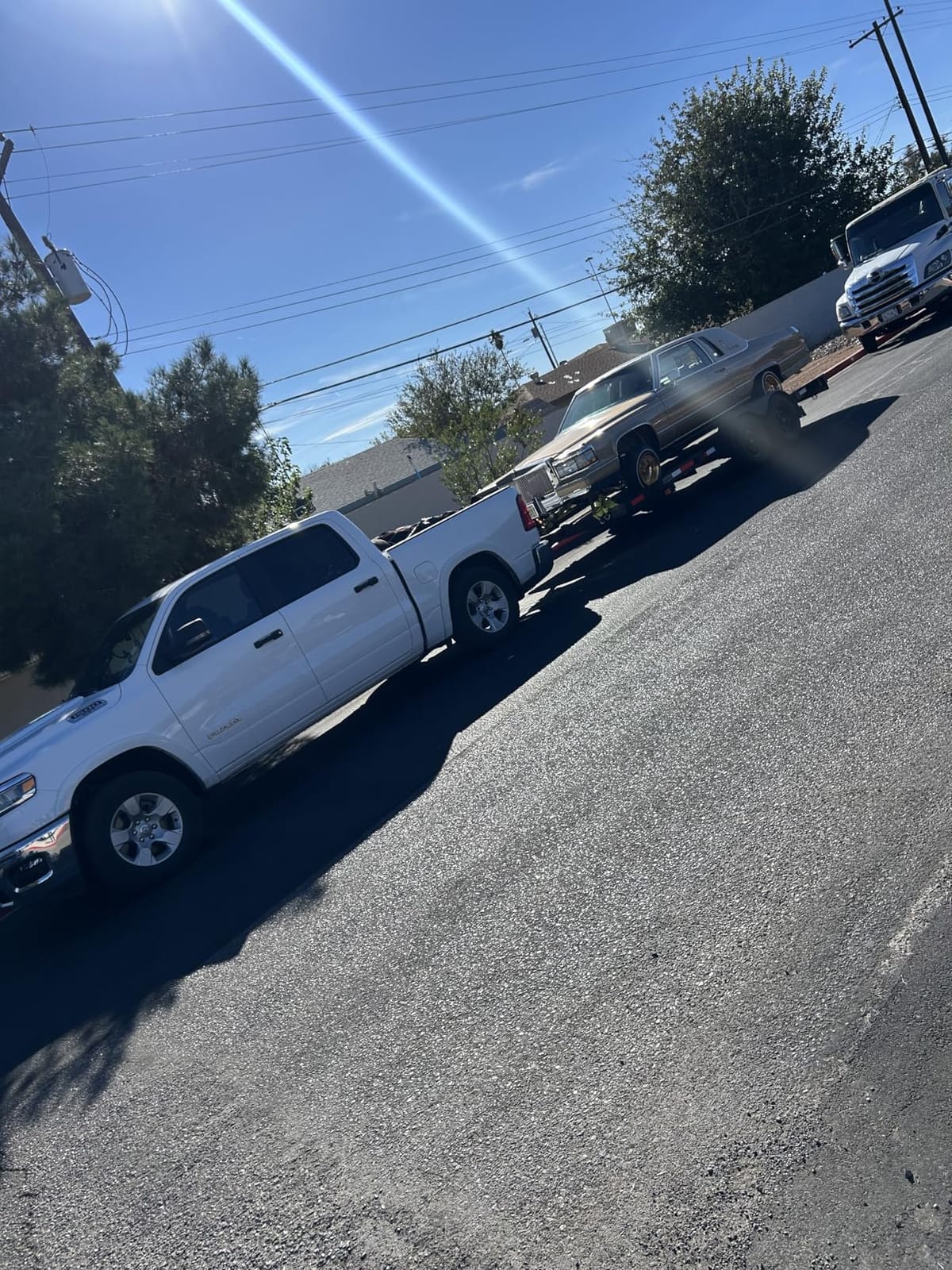
4. WANDA Set 2 Free Country ST205/75D15 – Budget Bias Ply for Light Trailers
- Lowest entry cost of any four-ply-rated trailer tire here
- Deep tread design for extended wear
- 6-ply load range C suits small utility and popup trailers
- One year limited warranty included
- Bias-ply cross-ply construction generates more heat on long runs
- 6-ply load range C leaves little margin on heavy trailers
- Includes a noticeable share of one-star ratings
Let us be direct about where this tire fits. It is a bias-ply, 6-ply, load range C tire rated at 1820 pounds per tire at up to 50 psi, with a 0.29 inch tread depth. On a small utility trailer or a popup that never sees highway speed, it does the job and it does it cheaply.
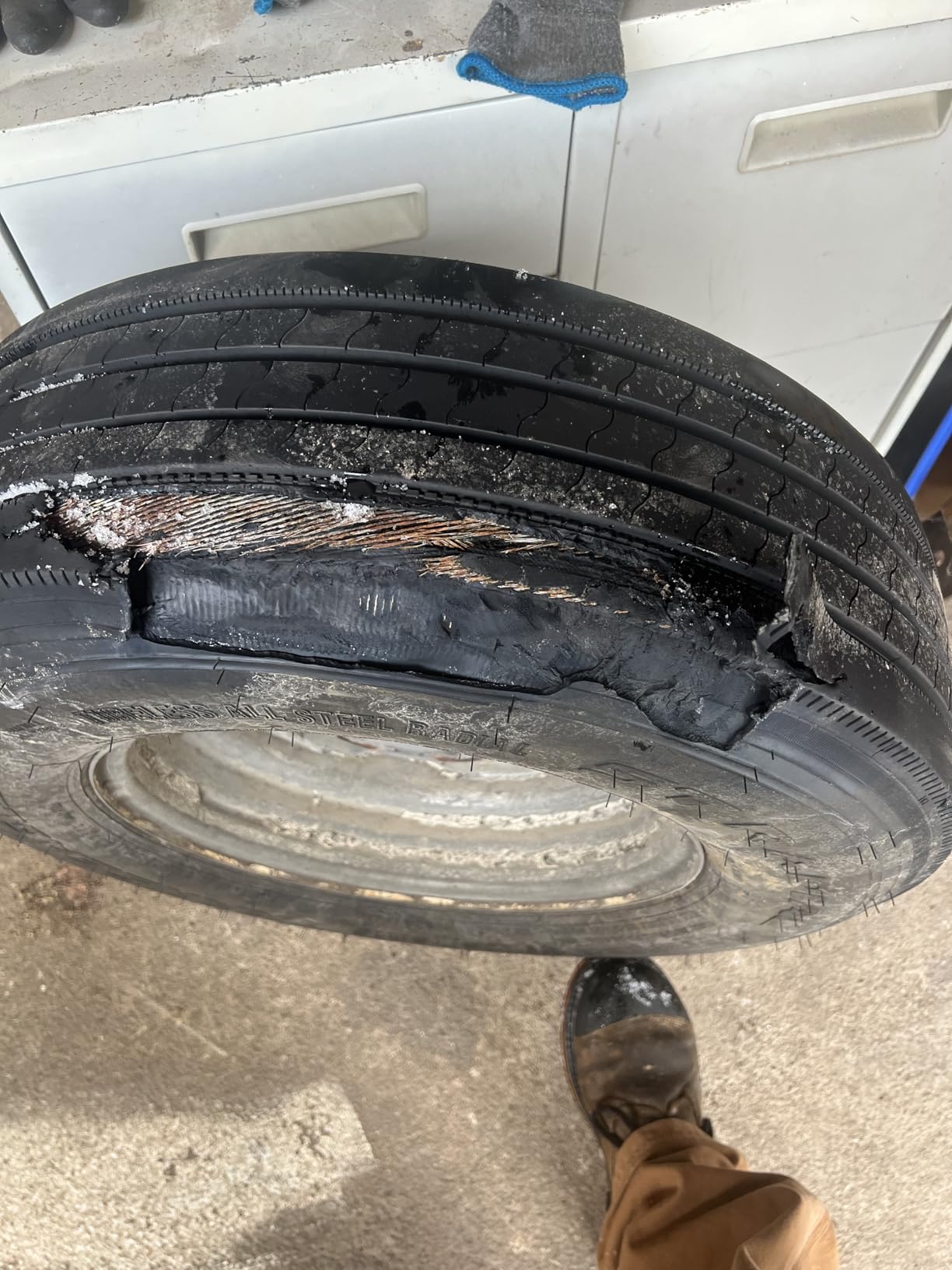
On sustained long-distance travel, it is the wrong tool. Bias construction flexes more, runs hotter and resists flat spots less well than radial, and the 50 psi ceiling leaves less room for load margin. Owners on r/traveltrailers consistently steer clear of bias-ply for highway miles for exactly these reasons.
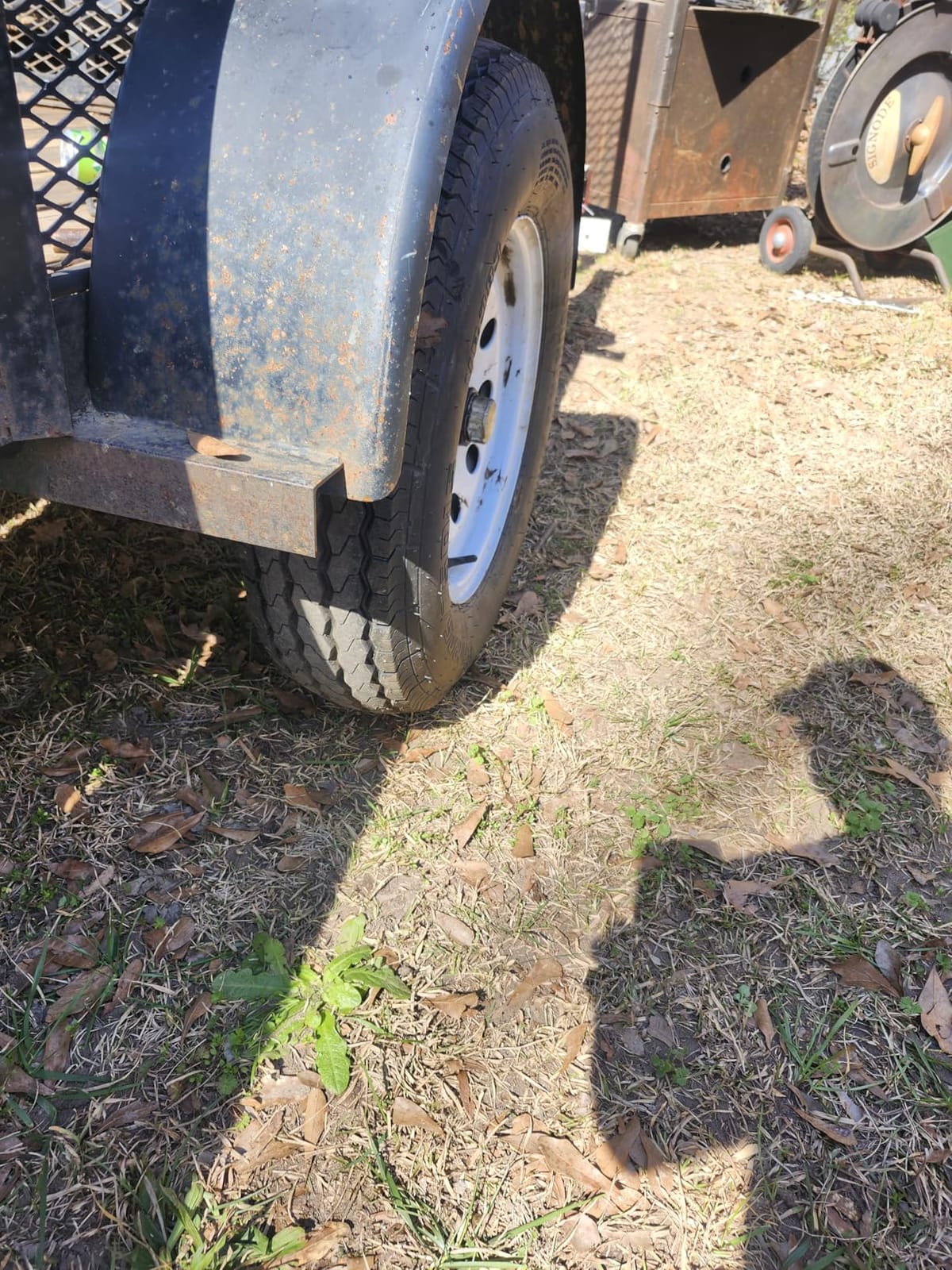
Where Bias Ply Still Makes Sense
Bias tires tolerate lower speeds, lighter loads and rougher surfaces without complaint, so they remain a reasonable pick for a landscaping trailer, a boat trailer that only moves at local speeds, or a stored trailer that sees a handful of miles a year. The trade is heat over distance for durability at low speed.
Reading the Review Spread
Roughly 7 percent one-star ratings puts this below the group on consistency, and that is worth weighing against the savings. Inspect any tire at delivery for tread separation along the belt edges and for sidewall cracking, and mount it on an inside position first so you can watch it.
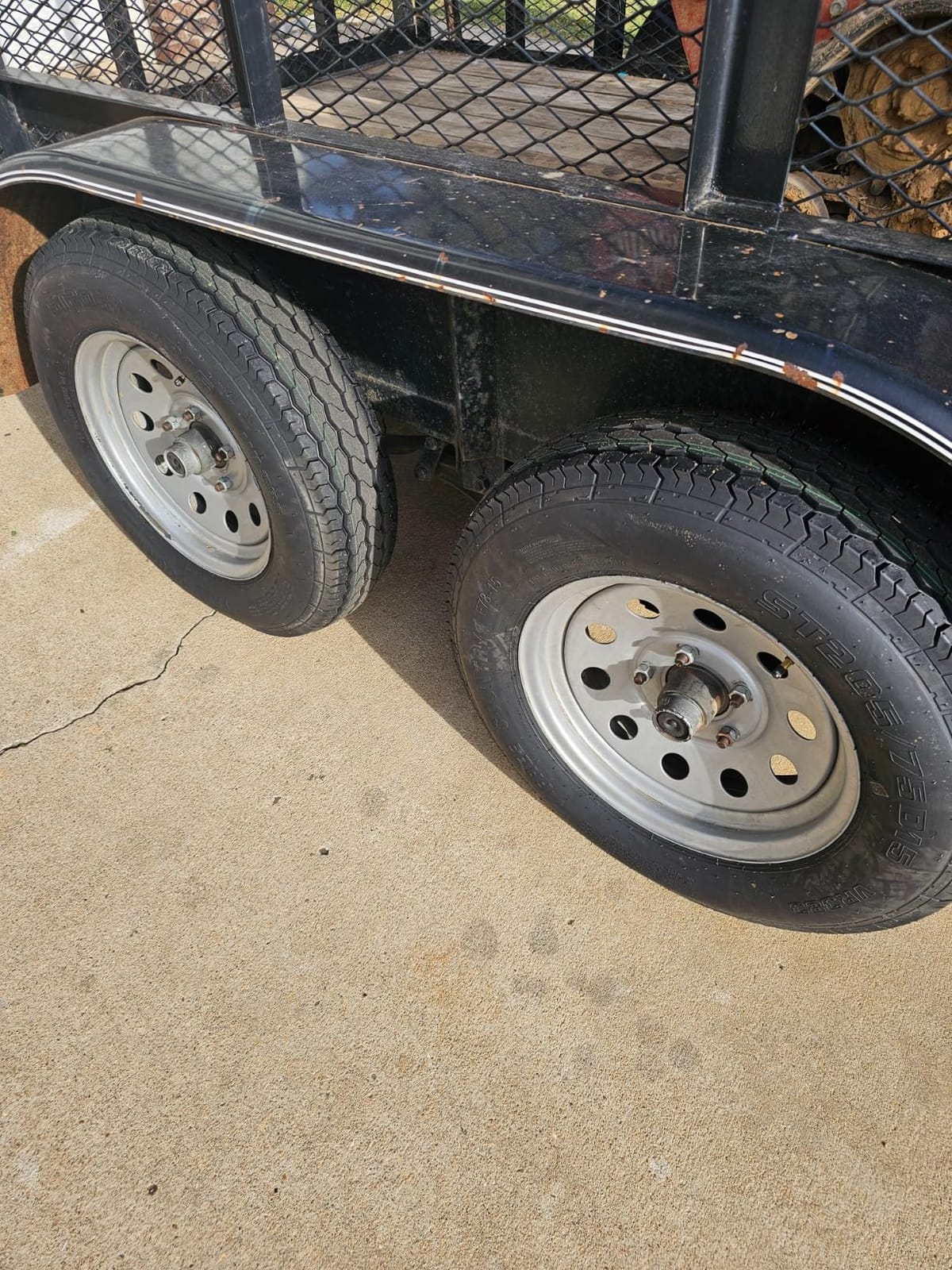
5. Free Country ST205/75R14 – Radial Comfort on 14 Inch Wheels
Free Country Set 2 Premium Trailer Tires ST205/75R14 8PR LR D w/Scuff Guard
- Radial steel belted construction for cooler highway running
- 8-ply load range D rated at 2040 lb per tire
- Side Scuff Guard ring protects against curb and gravel damage
- Top rating among the small-rim options in this roundup
- 14 inch rim size limits which trailers it fits
- Sold as a pair with no spare included
A lot of older travel trailers and many small utility rigs still sit on 14 inch wheels, and this set is the radial answer for them. Two 8-ply load range D steel belted radials rated at 2040 pounds per tire at up to 65 psi cold, with a 26 inch overall diameter.
The spec sheet lists a speed rating of N for this tire, which gives it more headroom than the load range alone would suggest. That matters if you are running a lightly loaded trailer that still sees sustained highway speed. Owners with smaller trailers report steady behaviour and quiet rolling at road speed.
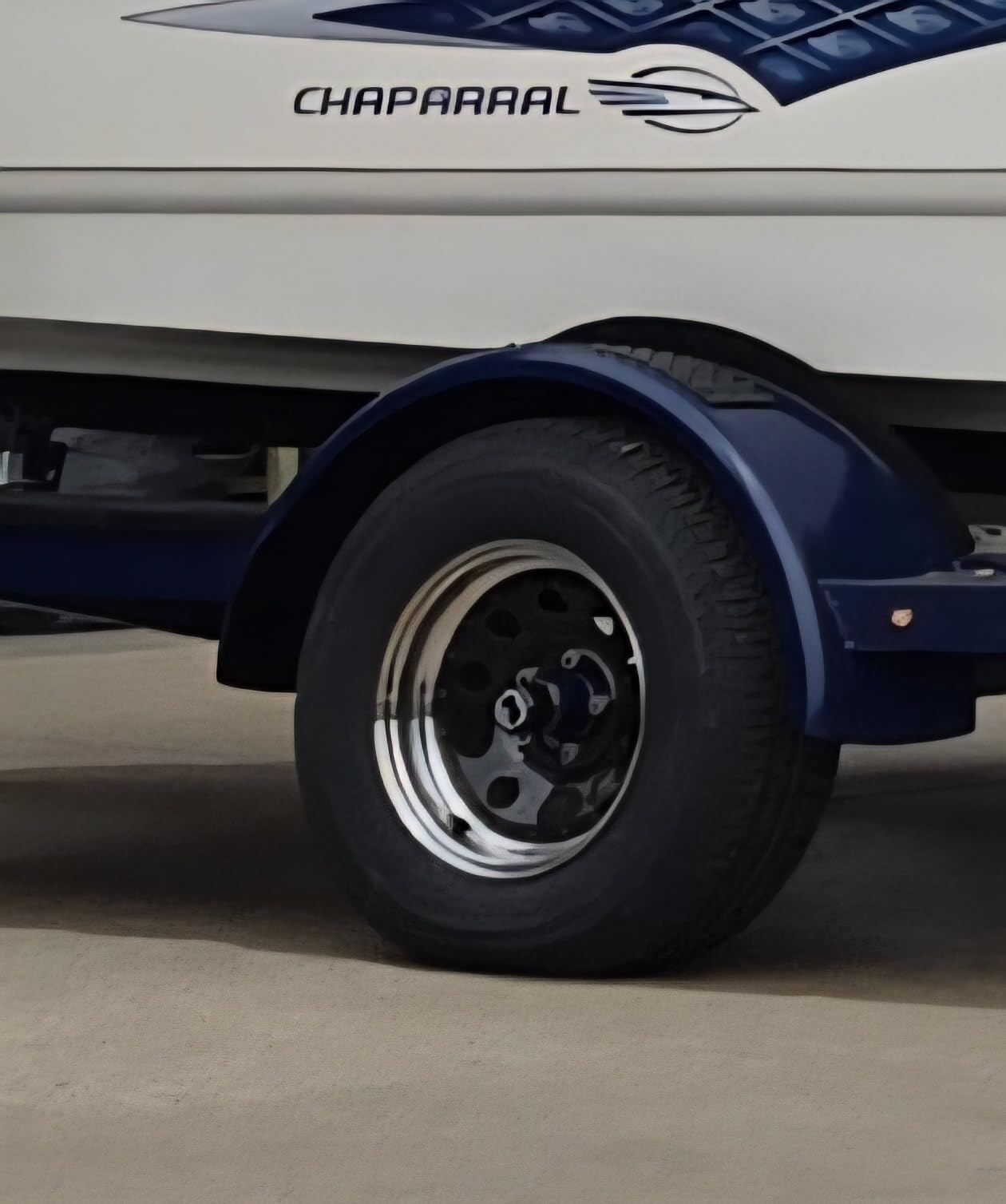
Upgrading an Older Trailer Without Changing Rims
Moving a 14 inch trailer from bias to radial construction is one of the cheapest durability upgrades available. You keep the wheels and the axle, gain cooler running temperatures and better sidewall stiffness, and the reduced flex helps with the sway complaints that plague older trailers. Confirm your rim width of 5.5 inches matches the tire before ordering.
Where 14 Inch Tires Fall Short
Capacity is the limit. At 2040 pounds per tire in load range D, this set covers lighter trailers well but leaves no margin for a heavily loaded one. If your GVWR placard shows numbers near the D-range ceiling, step up to an E-range 16 inch tire instead.
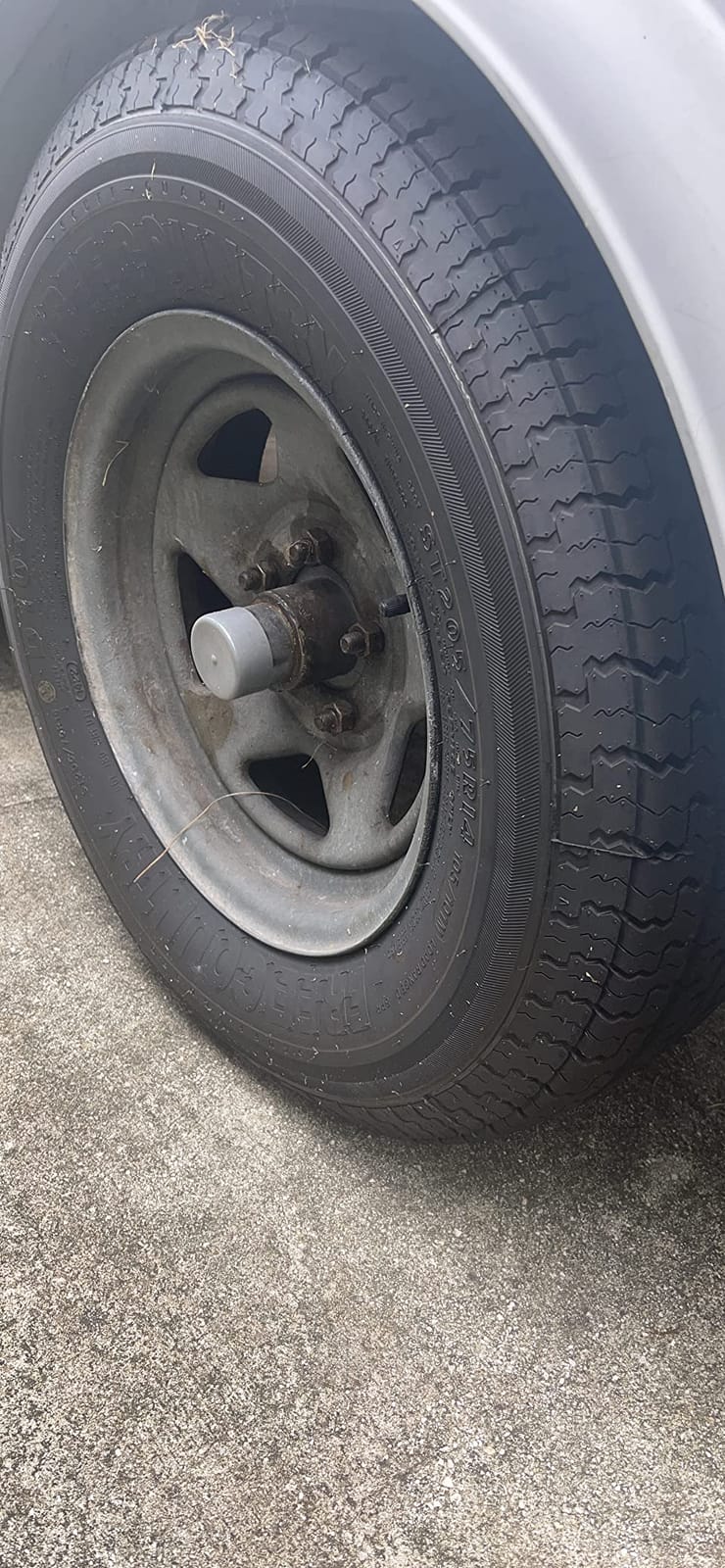
6. Transeagle ST ST235/80R16 – Fourteen Ply Load Range G for Heavy Trailers
4 x Transeagle ST ST235/80R16 All Season G (14 Ply) All Steel Tires
- Heaviest rating on any 16 inch tire here at 4079 lb per tire
- 14-ply all-steel radial construction built for sustained load
- Four-tire set covers a complete axle plus spare
- All-season tread pattern for year-round highway running
- Most expensive per tire in the group
- 200 pounds for the set makes handling them awkward
- Requires 110 psi inflation
When a toy hauler or a loaded fifth wheel needs real capacity, this is the set that answers. Four all-steel radials in 14-ply load range G, each rated at 4079 pounds at up to 110 psi cold, at 30.8 inches in diameter on 16 inch rims. Nothing else in this roundup carries that much weight per tire.
All-steel carcass construction is what earns the G range. It is heavier at 200 pounds for the set, which you will feel when mounting, but it is the standard for heavy toy haulers and for anyone running long grades at highway speed with a heavy load behind them.
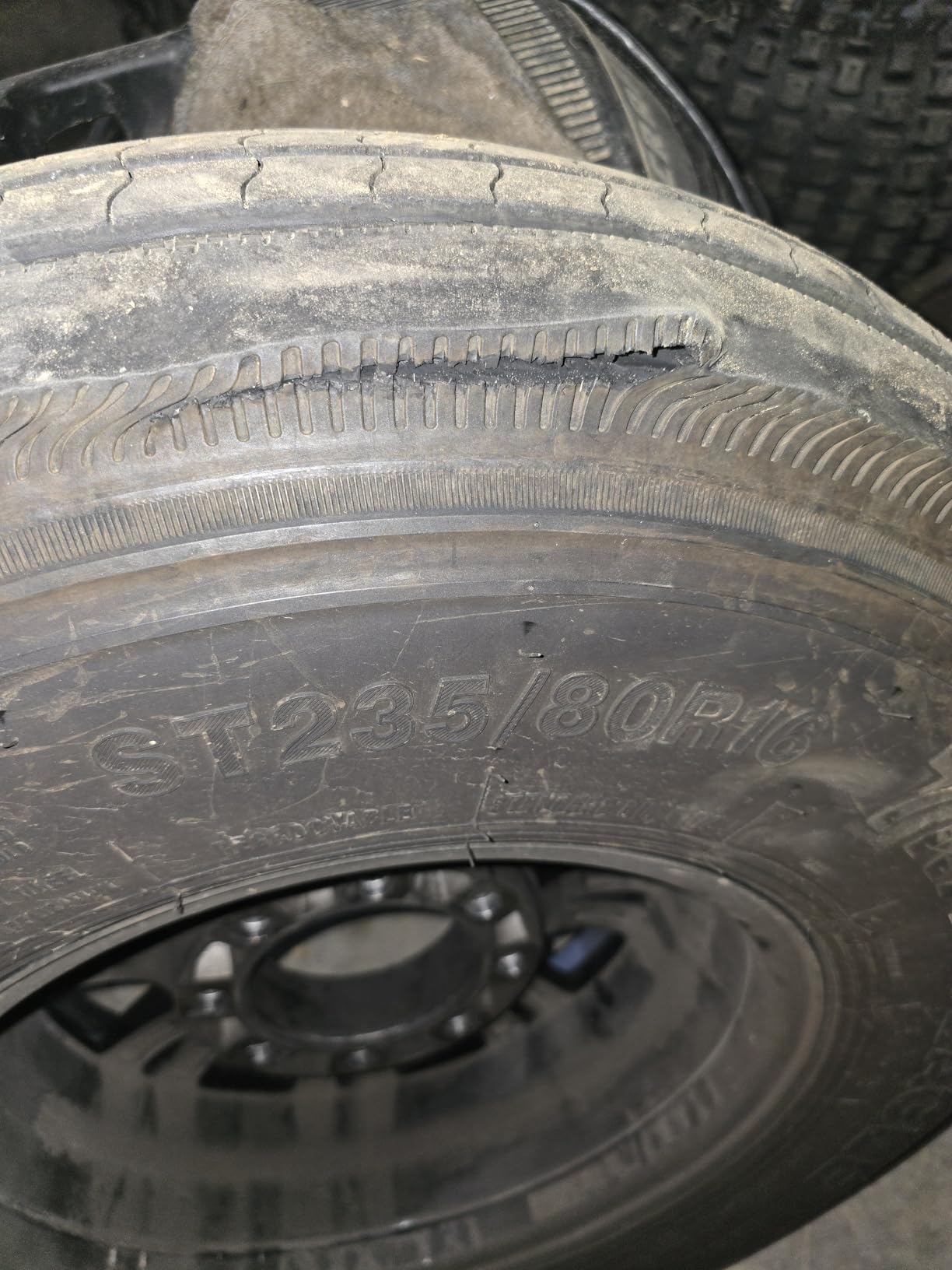
What 110 psi Does to Your Rig
At 110 psi maximum cold pressure, this set demands accurate inflation and a good gauge. Underinflate it and the heat generated on a long climb is the single fastest route to a tire failure on a heavy trailer. A quality truck tire gauge costs a fraction of a blowout, and checking cold at every stop is not optional at this pressure.
Balancing Weight Against Unused Capacity
Do not buy capacity you do not need. A set this heavy on a trailer built for D-range tires increases unsprung weight and makes the rig slower to change direction. Match the load range to the GVWR placard plus a modest margin, and skip up to G only when your loaded weight genuinely requires it.
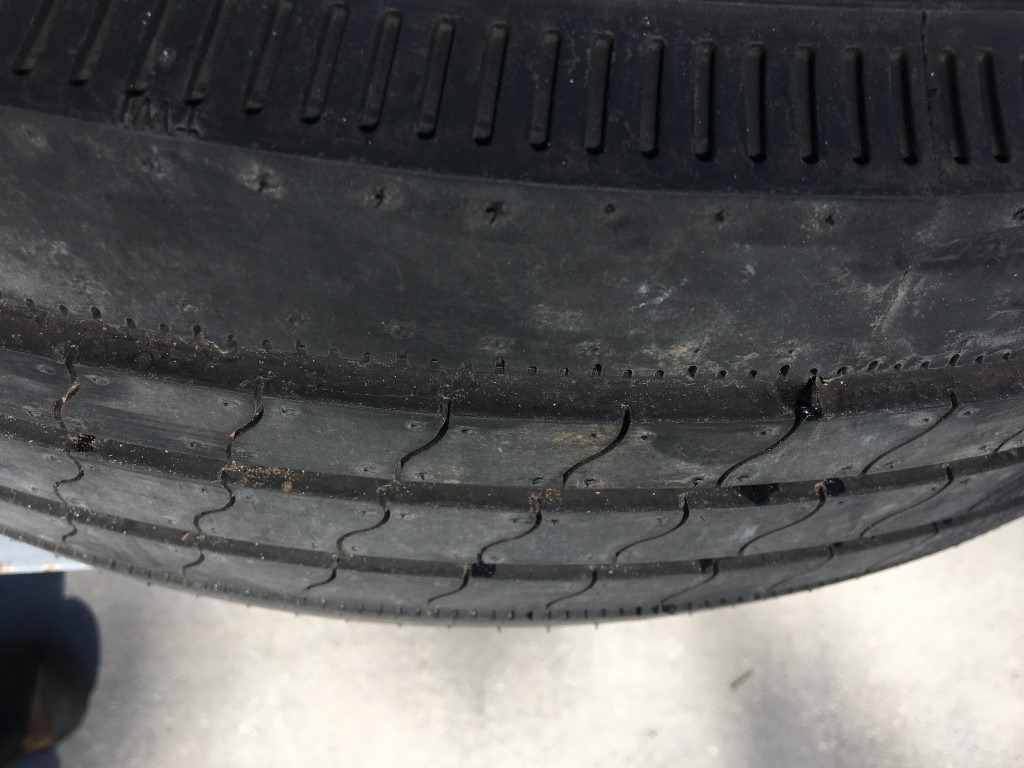
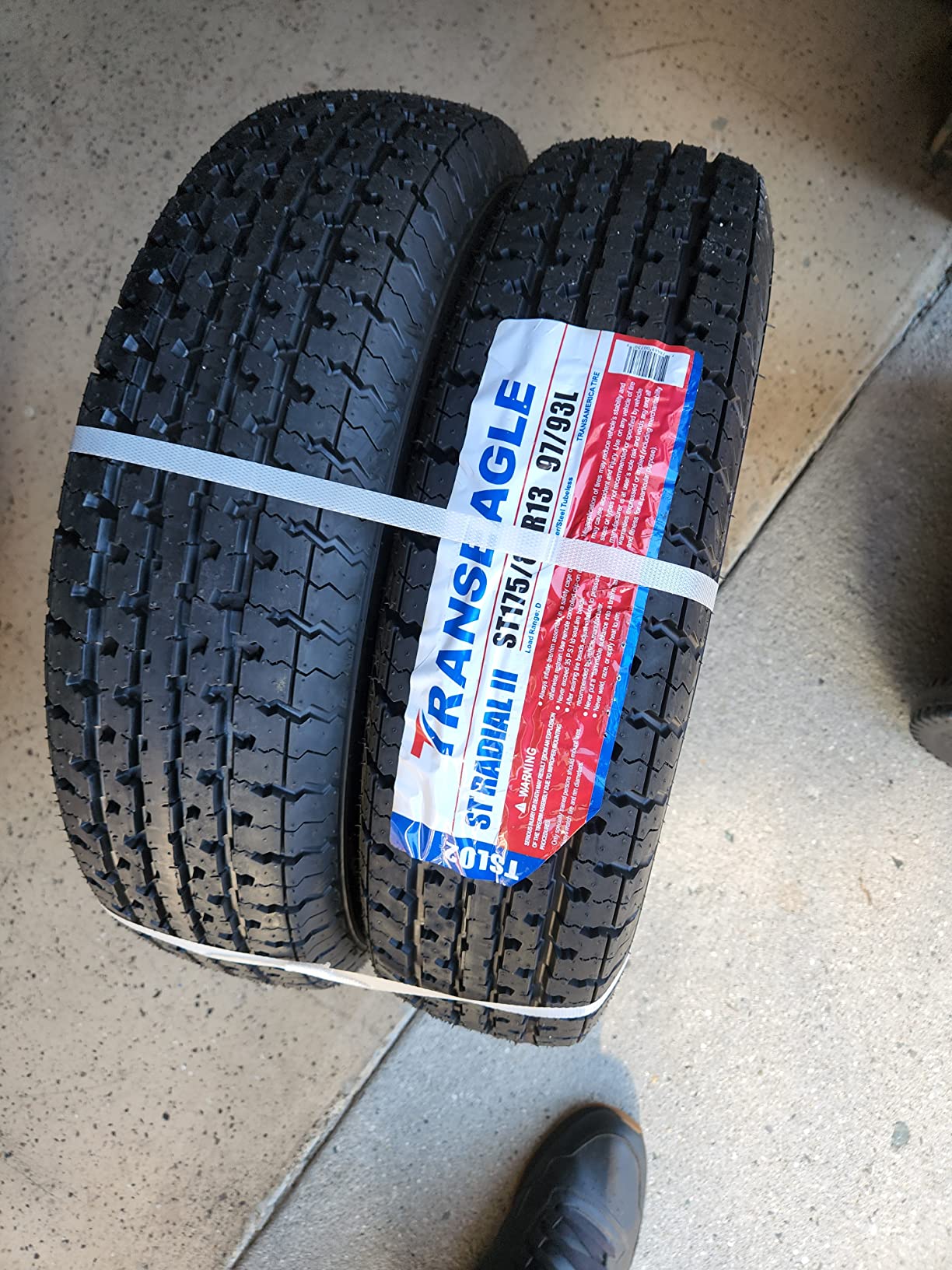
7. Transeagle ST II ST175/80R13 – Small Radial for Boat Trailers
2 x Transeagle ST II ST175/80R13 97/93L All Season D (8 Ply) Tires
- Radial steel belted construction in a small trailer size
- 8-ply load range D handles typical boat trailer weight
- Reported longevity of four-plus years on boat trailer duty
- Price point suited to occasional-use trailers
- 13 inch rim size fits a narrow range of trailers
- 1609 lb per tire is low for a heavy trailer
- Speed rating L caps sustained speed at 75 mph
Boat trailers are a different job from a travel trailer. The load is concentrated, the trips are often shorter, and the tires spend a lot of time sitting in salt spray or standing water. This pair of steel belted radials in 8-ply load range D handles that pattern well, with owners reporting four-plus years of service on boat trailer duty.
At 1609 pounds per tire and 65 psi maximum cold pressure, the capacity suits typical boat trailers without overloading the axle. The L speed rating covers 75 mph, which is above the speed most boat trailers are legally and safely rated for anyway.
Salt, Water and Storage
Tire age matters more here than on a highway trailer. A tire that sits in a damp garage for months between launches picks up corrosion at the bead and dry rot in the sidewall, and neither shows up in tread depth. Rinse the tires with fresh water after a launch and store the trailer somewhere dry and ventilated.
Checking the Rim Width
This tire lists a 5 inch rim width on a 13 inch wheel, which is narrower than most 15 and 16 inch trailer wheels. Verify your rim width against the tire’s stamped specification before buying, since a mismatch changes the section width and how the tire sits under load.
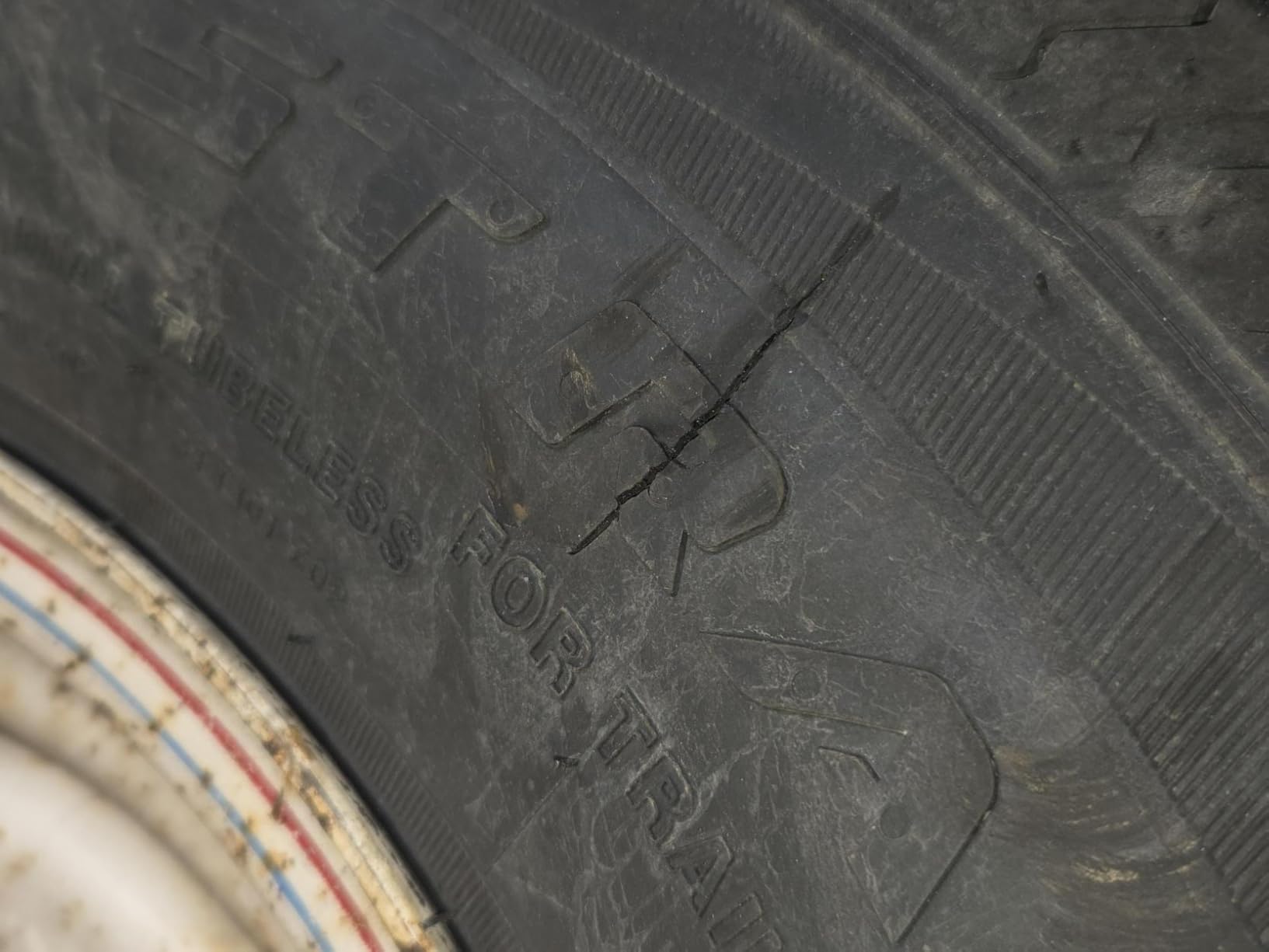
8. Roundrule ST Hikee ST235/80R16 – Ten Ply Value on 16 Inch Rims
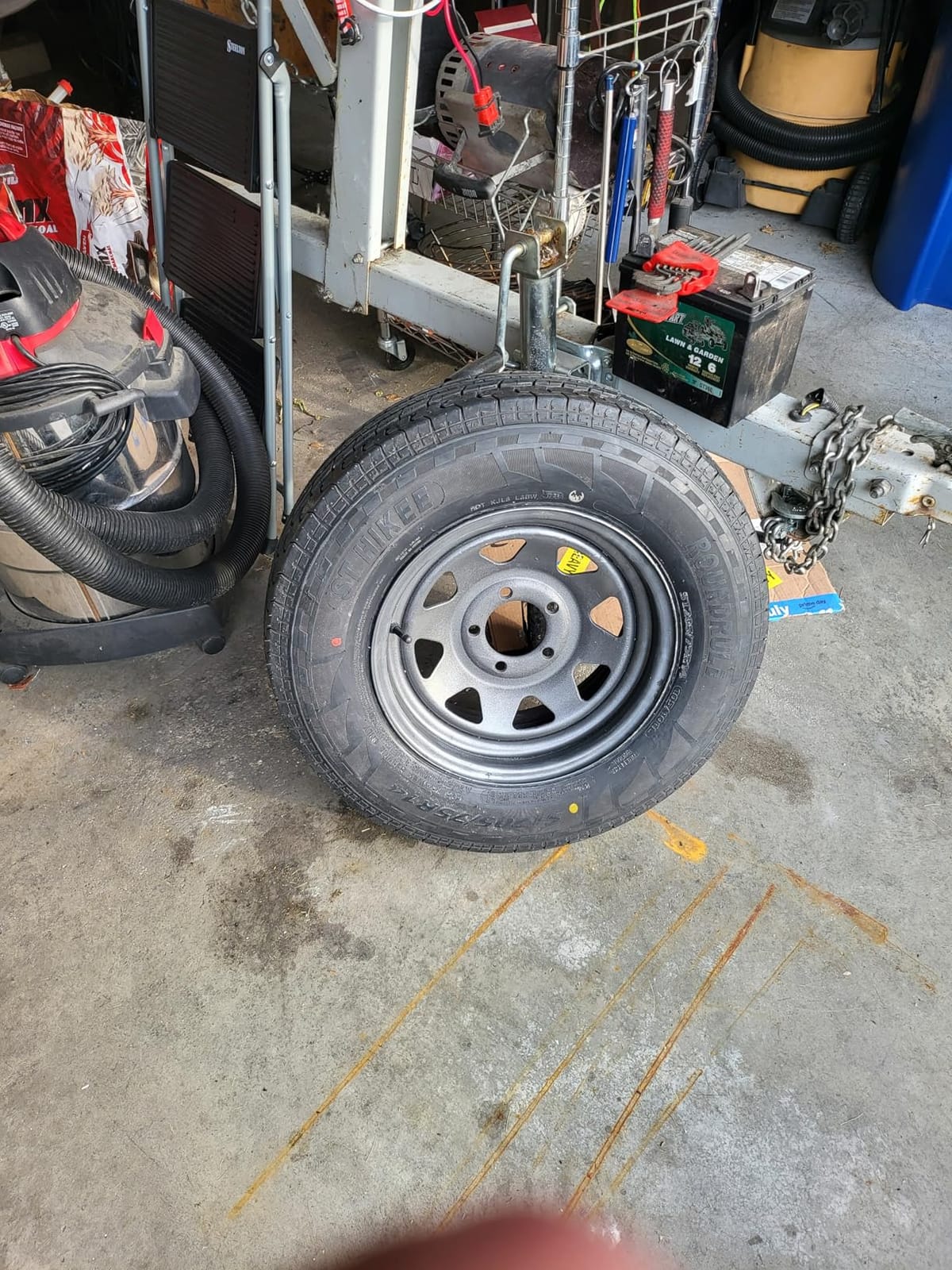
Roundrule ST Hikee ST235/80R16 All Season E (10 Ply) Semi-Steel Tire
- 3417 lb load capacity in a 16 inch size rated for winter use
- Only tire here carrying both winter and year round ratings
- Semi-steel construction keeps rotating mass manageable
- Strong rating share among owners who track mileage
- Sold as a single tire so a full set takes four purchases
- Semi-steel rather than full all-steel
- L speed rating caps sustained speed at 75 mph
At 3417 pounds per tire in load range E, this is the most capable single 16 inch tire in the roundup, and it is the only one here that carries a winter rating alongside its year round rating. That combination makes it a sensible pick for owners who start their trips early in the season or run mountain routes where cold mornings are normal.
It is semi-steel rather than full all-steel, so it sits between the standard 10-ply radials and the G-range units in lighter rotating weight while still carrying E-range capacity. Owners using it on loaded 16 inch trailers report solid mileage and predictable handling.
Load Range E With a Winter Rating
Winter rating on a trailer tire does not mean it is a winter tire. It means the compound and tread are certified for cold temperatures, which is the condition you care about at 6 a.m. on a departure day. Check pressure cold more often in cold weather, since cold air lowers pressure faster than most owners expect.
Buying Singles Versus Full Sets
This tire is sold one at a time, so plan for four or five purchases to finish a trailer. Mounting a single new tire next to three older ones is a bad idea on a long trip, because the newer tire will grip differently and can contribute to instability under braking. Replace as a set.
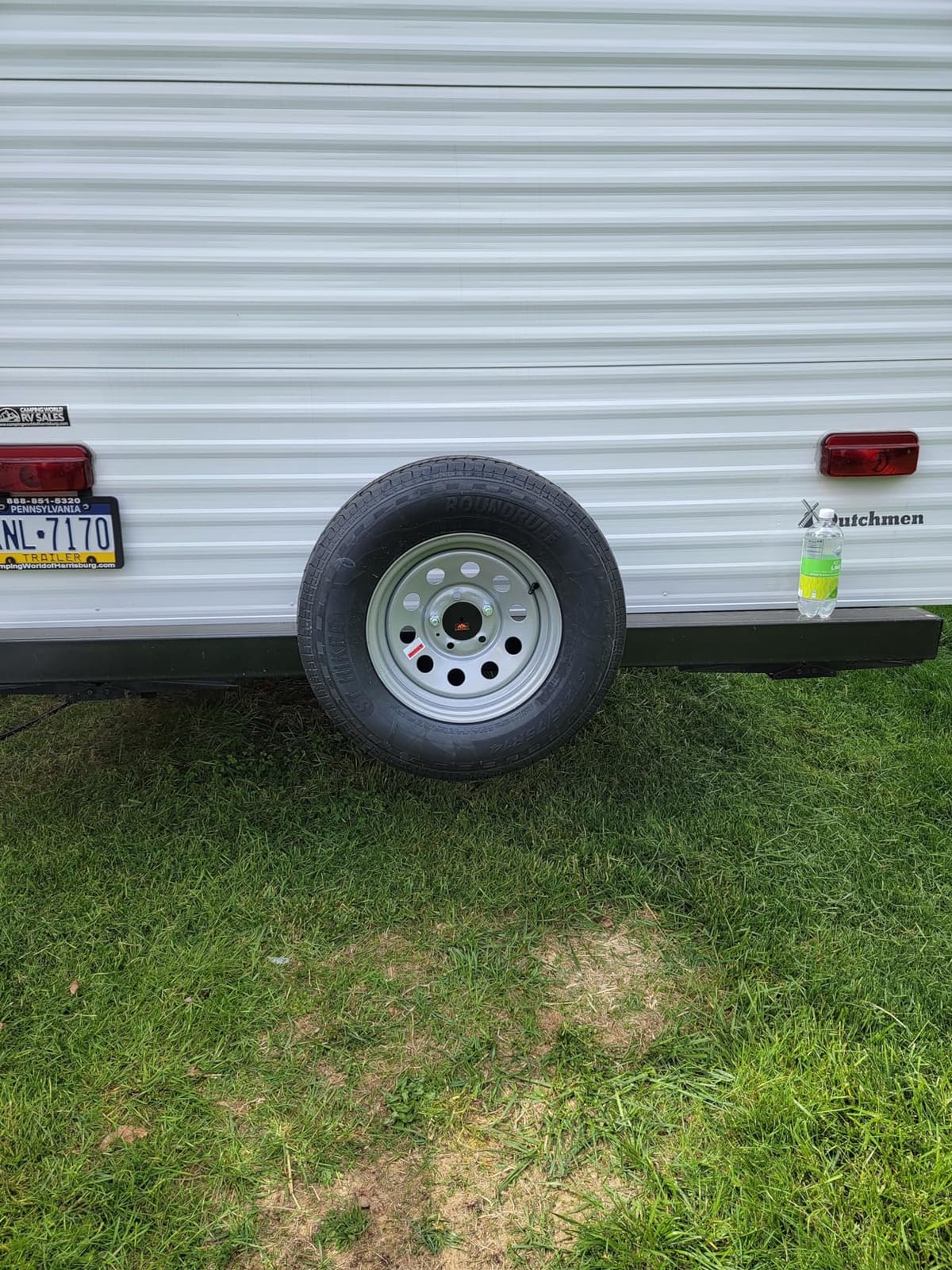
9. Transeagle ST ST225/75R15 G – Commercial Grade All-Steel
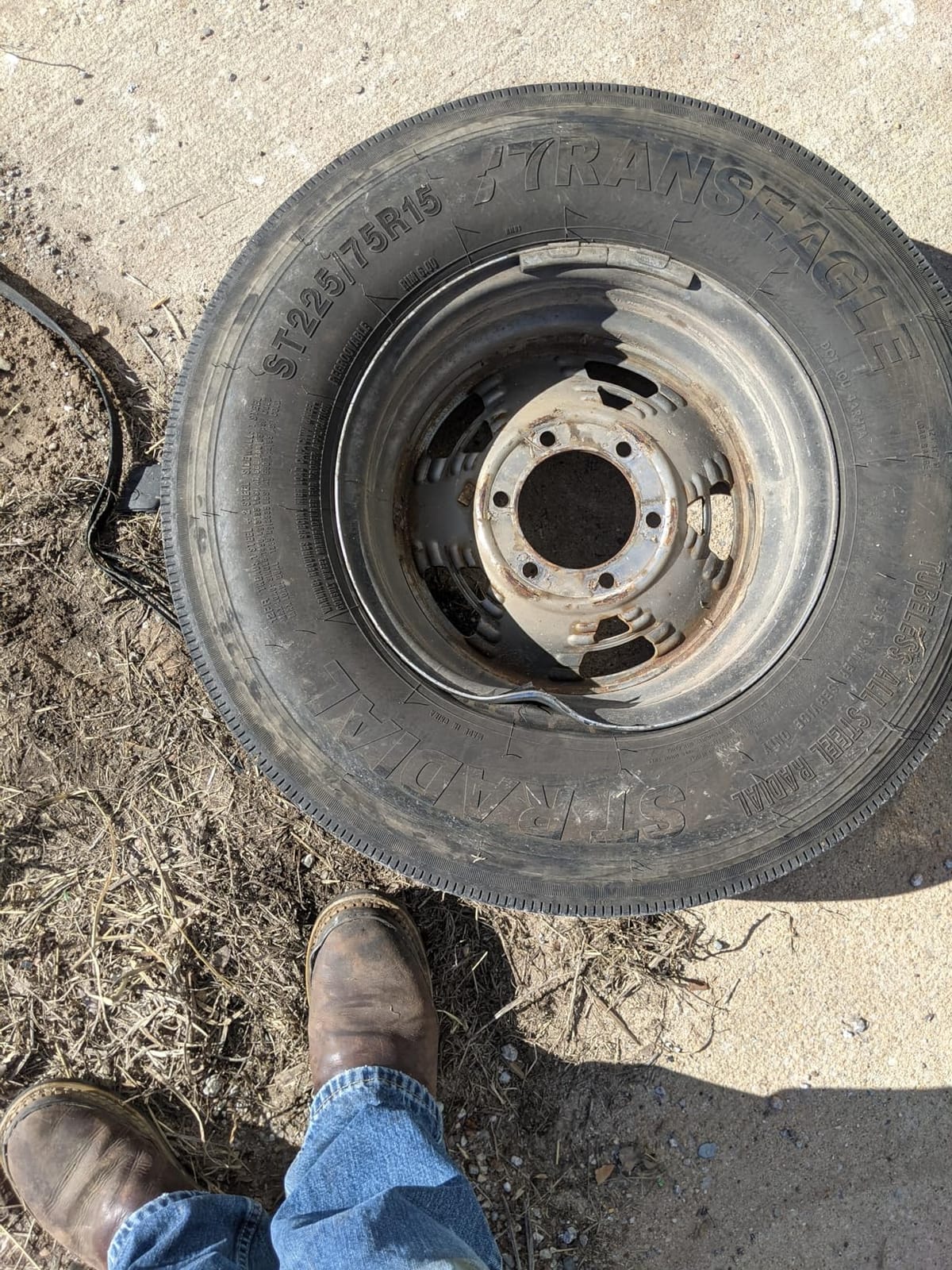
Transeagle ST ST225/75R15 123/119L All Season G (14 Ply) All Steel Tire
- Commercial-grade all-steel carcass rated at 3417 lb per tire
- Popular with trailer rental fleets for puncture resistance
- Fourteen plies resist sidewall flex under sustained load
- High share of top ratings from owners logging mileage
- Sold as one tire
- so a set of four takes four purchases
- 110 psi inflation requirement leaves little room for error
- L speed rating caps sustained speed at 75 mph
This is a fleet tire, and it behaves like one. A single all-steel radial in 14-ply load range G rated at 3417 pounds per tire at up to 110 psi cold, on a 15 inch rim at 28.3 inches in diameter. Trailer rental operators favour this construction because the carcass resists puncture and holds structure under constant load.
For a private owner it serves a similar purpose. If your trailer is loaded near its GVWR for long stretches, or you put serious miles on it each season, the extra plies buy heat resistance and sidewall stiffness. Owners report excellent puncture resistance and longevity with this tire.
Inflation Discipline at 110 psi
All-steel G-range tires need an accurate gauge and a good habit. Heat build-up is a function of flex, and a G-range tire running 15 psi low on a hot highway run is working far harder than its rating assumes. Invest in a truck-grade gauge and check cold at every fuel stop.
A Note on Separation Reports
There is an isolated report of early tread separation on a different size variant of this line. Isolated reports on any model are normal across this category, but they are a reason to inspect new tires carefully at delivery and to keep your receipts and DOT codes so a batch problem can be identified and reported.
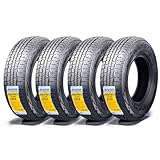
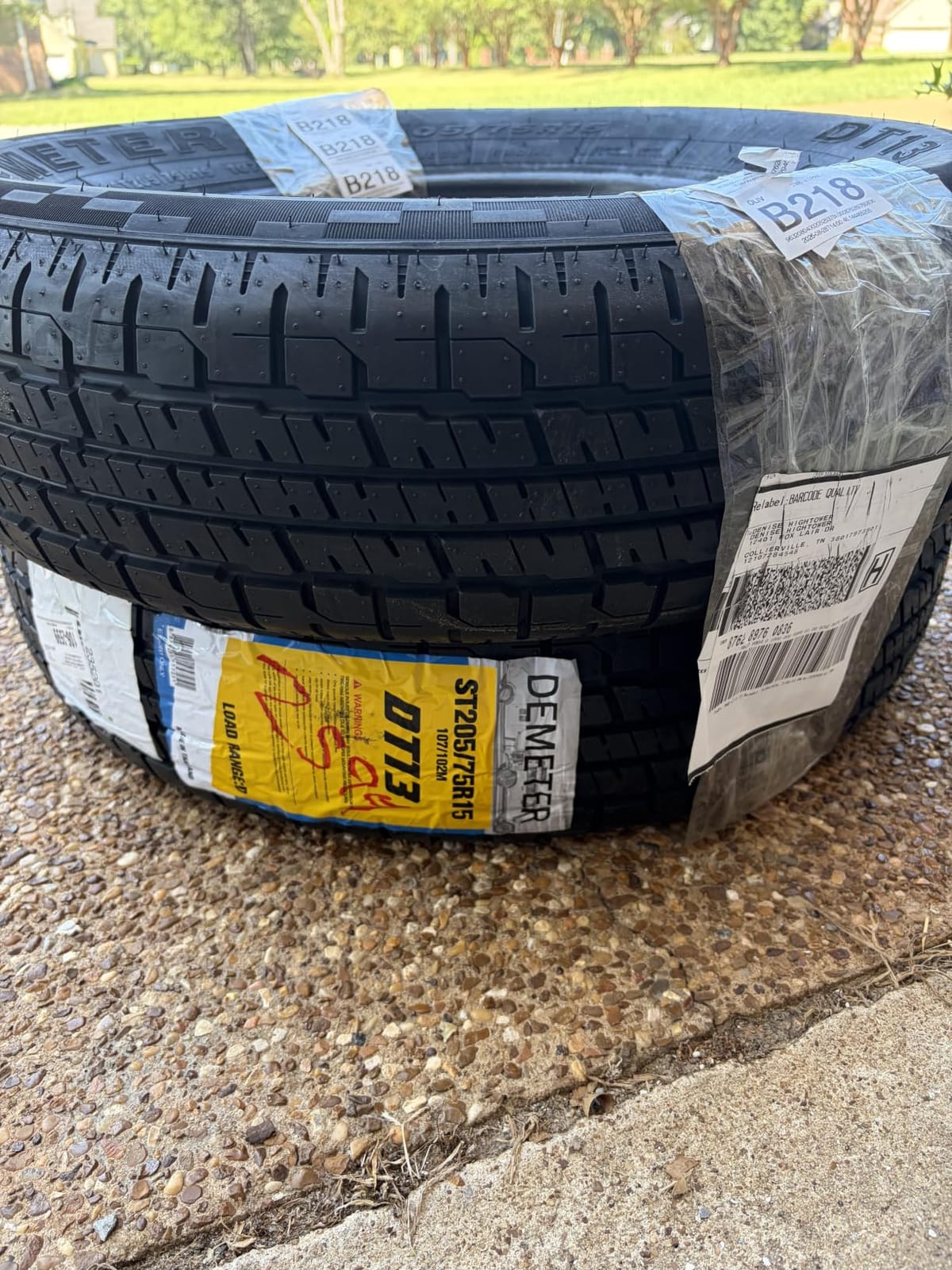
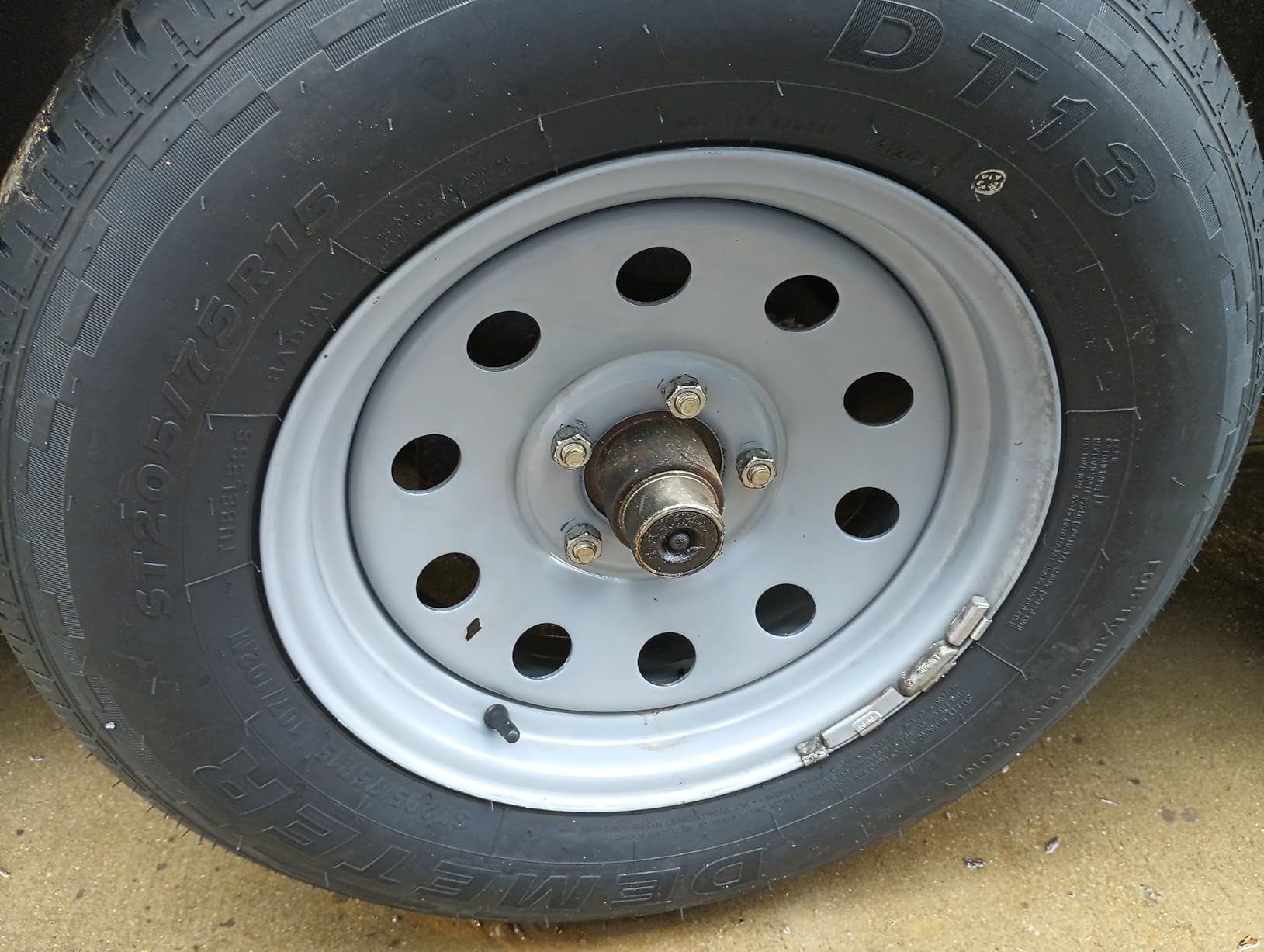
10. DEMETER ST205/75R15 – A Clean Starter Set for 15 Inch Trailers
DEMETER Set 4 Radial Trailer Tires 205/75R15,Heavy Duty ST 205/75R15, 8 Ply Load Range D All Season Traction
- Complete set of four in one purchase
- Five-rib symmetric tread for straight-line stability
- Low rolling resistance construction reduces fuel cost over distance
- Nylon-reinforced casing resists cuts and chipping
- Two year limited warranty
- 8-ply load range only
- Newer brand with limited long-term mileage history
The straightforward option for a mid-weight trailer on 15 inch wheels. Four radials in 8-ply load range D rated at 2040 pounds per tire at up to 65 psi cold, with a five-rib symmetric tread pattern designed for straight-line stability rather than off-road grip.
Two details make it interesting for distance. The low rolling resistance construction directly reduces the fuel cost of towing over thousands of miles, and the nylon-reinforced casing adds cut and chip resistance that pays off on gravel forest roads. It also carries a two year limited warranty, longer than most in this category.
Rolling Resistance and Your Fuel Bill
At highway speed, rolling resistance on the trailer axle is a meaningful share of what it costs to pull a loaded rig. Tread and construction choices move that number, and over 6000 miles of annual towing the savings accumulate. Deep aggressive tread patterns look rugged but usually cost you fuel on pavement.
Why the Five-Rib Pattern Matters on Highway Miles
A five-rib symmetric design spreads load across the full tread face, which reduces the centreline wear pattern that develops when a trailer tire is run soft for long stretches. Even wear matters at speed because a cupped or unevenly worn tire holds heat unevenly and makes the trailer less predictable in crosswinds.
11. Zeemax 8-14.5 Heavy Duty – For Mobile Home Axles
Zeemax Heavy Duty TRUE Highway Trailer Tires 8-14.5 14 Ply Load Range G Speed Rating K 68mph- Set 2 …
- Specially built for true highway use rather than mobile home duty
- 14-ply load range G rated at 3100 lb per tire
- 115 psi maximum cold inflation pressure
- Only tire here sized for 14.5 inch rims
- Bias-ply construction generates more heat than radial
- Non-standard 14.5 inch rim size limits compatibility
- Speed rating K covers 68 mph only
- Some reports of flattened sidewalls from packaging
This one exists because of a specific fitment problem. The 14.5 inch rim is the mobile home axle size, and almost nothing in the trailer tire world covers it. This set of two 14-ply load range G bias tires rated at 3100 pounds per tire at up to 115 psi cold fills that gap, and the maker specifies it for true highway use rather than the slower speeds these axles were originally rated for.
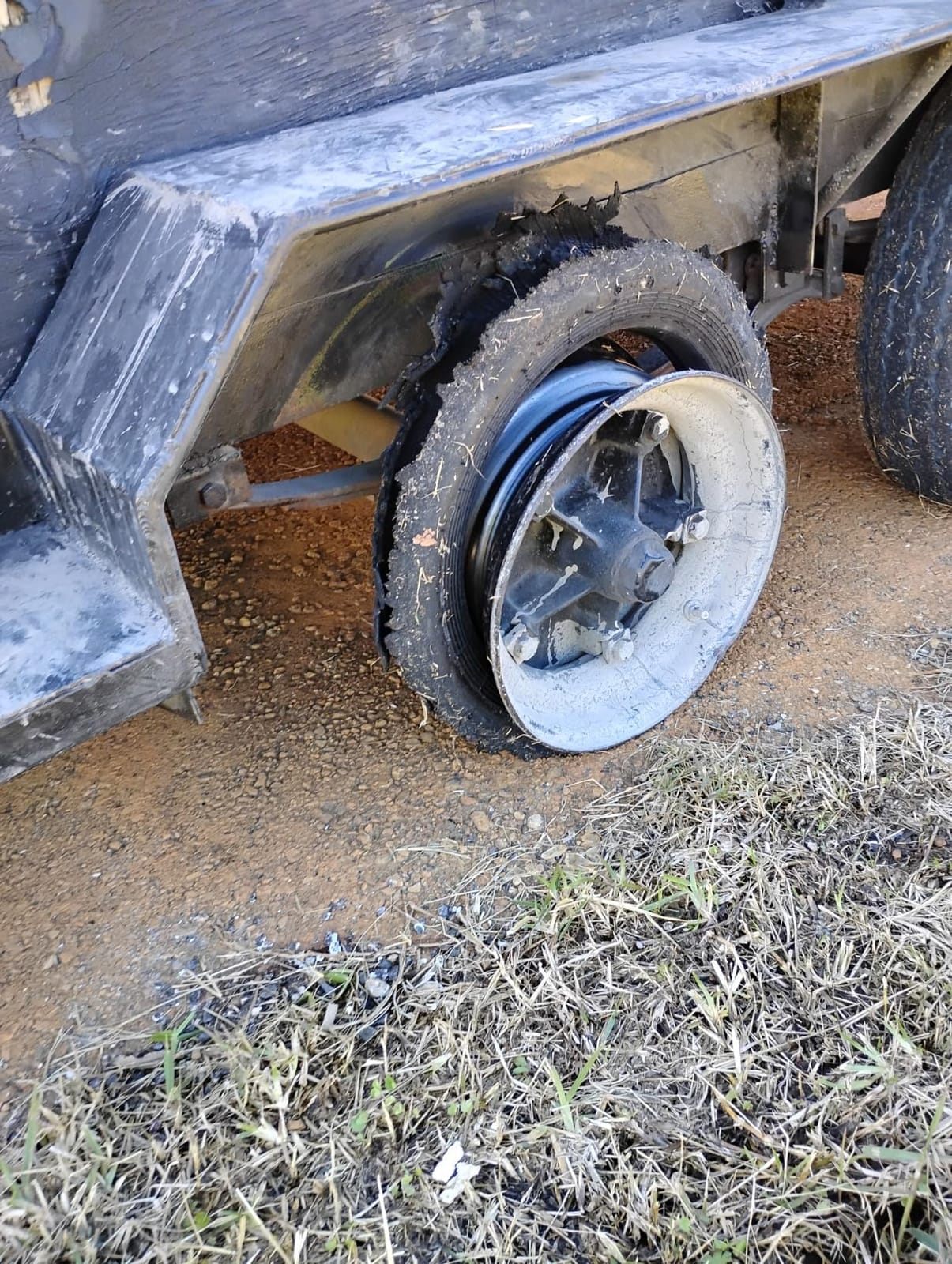
The speed rating K, 68 mph, is honest for the size. It is lower than most of this roundup, so plan your routing around it. Bias construction does run hotter than radial, which is the trade-off you accept for a tire nobody else makes in this diameter.
Why 14.5 Inch Axles Get Different Tires
Mobile home axles carry a heavy trailer by design, often without brakes, so their tires were specified for longevity at moderate speed. Upgrading to a K-rated highway tire like this one gives you a speed ceiling closer to how people actually drive, at the cost of harder steering feel on a heavy axle. Check your axle rating before going up in load range.
Handling a Tire That Arrives Flat
Some owners report sidewalls arriving flattened from packaging. This is normal for bias construction and resolves itself with time on the road, but mount and inflate to the maximum cold pressure on the sidewall, then recheck after 50 miles and again at regular intervals from there.
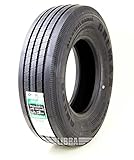
12. GREMAX All Steel ST225/75R15 – Deepest Tread at Load Range G
One Heavy Duty GREMAX All Steel Trailer Tire 225/75R15 14 Ply G 123/119M
- Deepest tread in this roundup at 11/32 inch
- 3420 lb load capacity in a 15 inch size
- Speed rating M covers sustained 81 mph highway running
- Sold to trailer manufacturers and dealers
- Owners report positive results past 10000 miles
- Sold as a single tire so a set takes four purchases
- Requires 110 psi inflation
- One report of tread separation under tight cornering loads
Here is the combination most long-trip owners actually want, and it is not common. A 15 inch all-steel radial in 14-ply load range G with 3420 pounds of capacity, 11/32 inch of tread, and an M speed rating that allows sustained 81 mph running. Most G-range 15 inch tires are rated far lower, which is what makes this one worth the trip.
Tire makers and trailer dealers use this construction, and owners running serious annual mileage report solid results past 10000 miles. The 11/32 inch tread depth is the deepest in this roundup and translates into the most usable miles before the wear bars and the legal minimum become your problem.
Why Tread Depth Matters More Than Pattern
On a long trip the tread pattern matters less than how much of it is left. Deeper tread gives you more usable life at highway speed and more margin over grooved roads and standing water on an interstate. Check depth with a gauge every few thousand miles, since a loaded trailer tire wears from the axle, not from steering.
The 110 psi Working Pressure
Same rule as the other G-range tires here. Inflation accuracy is not a nicety at this pressure. Check cold at every stop, keep a truck gauge in the cab rather than relying on a fuel station gauge, and add air before the climb rather than after it.
How to Choose Trailer Tires for Long Trips
Specs matter less than fit. Before comparing models, establish three facts about your rig and the tire choice follows almost automatically.
Load Range and GVWR: More Tire Capacity Is Not More Trailer Capacity
Read the GVWR placard on your trailer, then find the GAWR for the axle and compare it against tire capacity multiplied by the number of tires on that axle. Installing higher capacity tires does not raise what you can haul. The axle, the frame, the coupler and the brakes all carry the same limit they did yesterday, and overloading them is how trailers fail on the highway regardless of what tire you bought.
Load range letters run C through G here. C is roughly 6 plies, D around 8, E around 10, and G around 14. More plies means a stiffer carcass that flexes less, carries more and runs cooler, which is why a range above your actual requirement is a legitimate choice for a trailer that spends its life fully loaded.
Radial Versus Bias Ply for Highway Hauls
In a radial, steel belts sit at a 90 degree angle to the direction of travel, so the tread scrubs rather than drags. In a bias-ply tire, casing plies cross at 30 to 45 degrees, which produces more sidewall flex, more heat, more rolling resistance and worse resistance to flat spotting while parked. For hundreds of consecutive highway miles, radial wins on every one of those counts.
Speed Rating: Match the Letter to Your Real Speed
K is 68 mph, L is 75 mph, M is 81 mph and N is 88 mph. Ratings in this roundup run from K to N, and the letter is a maximum sustained speed, not a target. What it does give you is headroom, so your tire is not the limiting factor when you are running 70 mph downhill with a loaded trailer.
Tire Age and the DOT Date Code
Rubber ages whether you drive on it or not. Find the DOT code on the sidewall, read the last four digits as a week and a year, and add four years to the week number to get the tire’s approximate manufacture date. Owners on the forums treat five years as the replacement point regardless of remaining tread, because sidewall cracking and belt degradation do not show up in tread depth measurements.
Brands to Avoid and How to Spot a Cheap Tire
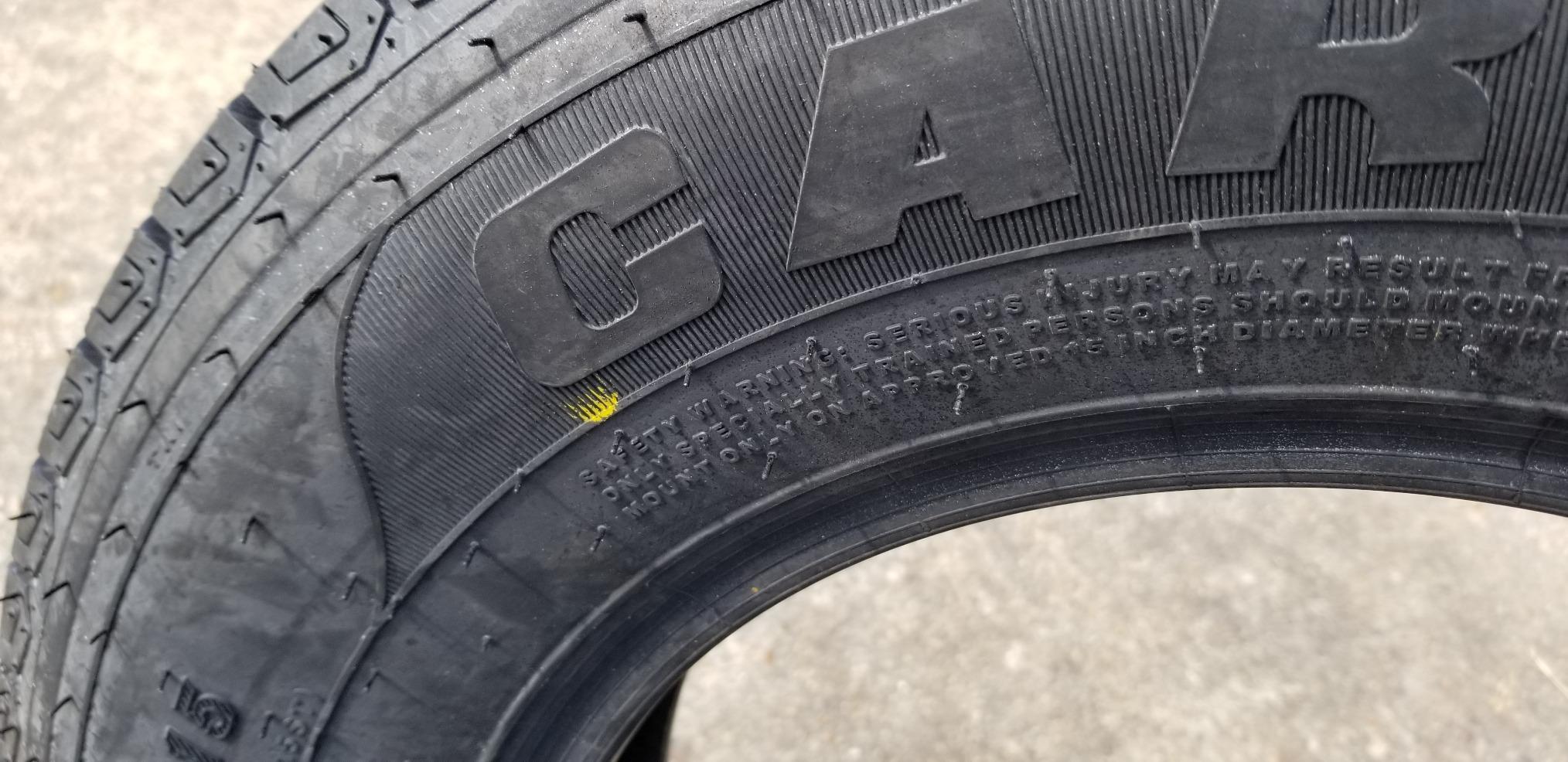
Unbranded and private-label tires are the consistent warning sign across owner forums. Look for a full manufacturer name molded into the sidewall, a real model number, a DOT code with a plant code, and a speed rating letter. Tread that looks unusually deep on a low-cost tire is often a sign of a soft compound that wears fast and generates more heat. If the tire has no printed ply rating or load range letter anywhere on the sidewall, walk away.
Pre-Trip Pressure, Bearings and Spare Protocol
Seven steps cover it. Check all four tires cold before the first turn of the key. Inflate to the maximum cold pressure listed on the tire sidewall, never above it. Inspect each sidewall for cuts, bulges and cracks. Check every valve stem for cracking and replace any that are weathered. Confirm lug nuts are torqued to spec. Grease the wheel bearings and confirm no grease or metal is present. Load a spare and a proper lug wrench, or at minimum know who along your route can change a trailer tire.
Recheck pressure every two to three hundred miles on a long run, and always cold or let the tire cool for at least an hour. Our long battery life drone picks help you scout the route and confirm you are not towing into a dead zone, and owners comparing equipment across categories often start with our off-road tire picks for the trailer tongue jack side of the equation.
Frequently Asked Questions
What type of tire is best for a trailer?
For long highway trips, a radial ST (Special Trailer) tire in load range D or E with a speed rating of at least L is the best choice. Radial steel belts run cooler, resist heat build-up and resist flat spotting better than bias-ply cross-ply tires. LT passenger tires can work, but ST tires have a heavier casing built for sustained trailer load.
Who makes the highest quality trailer tires?
Owners most often name Goodyear, Hankook, Carlisle, Maxxis, Kenda, Power King and Hercules as the manufacturers they trust for high-mileage towing. Within the models reviewed here, the Carlisle Radial Trail HD ST205/75R15 carries the largest review base and the highest rating, which makes it the easiest pick to verify.
What brand of tires should I stay away from?
The consistent community warning is unbranded and private-label tires with no full manufacturer name, model number, DOT plant code, ply rating or speed rating on the sidewall. Very deep tread on a very low-cost tire usually signals a soft compound that wears fast and generates more heat. Named manufacturers with model numbers and full sidewall markings are the safer bet.
Is 8 ply better than 6 ply for trailer tires?
For long trips, 8 ply load range D is the minimum sensible starting point over 6 ply load range C. The extra plies mean a stiffer carcass that flexes less, carries more and generates less heat at highway speed. But more ply does not increase your trailer’s weight capacity, so match the load range to your GVWR rather than to a preference.
How do I know if my trailer tires are too old?
Find the DOT code on the sidewall and read the last four digits as a week and a year. Add four years to the week number for the approximate manufacture date. Treat five years as the replacement point regardless of remaining tread, and replace sooner if you see sidewall cracking, cords showing through the rubber or a tire that has spent years stored in damp conditions.
Which Trailer Tire Fits Your Rig
If you tow a mid-weight travel trailer on 15 inch wheels and want one tire that covers the most ground without being exotic, the Carlisle Radial Trail HD ST205/75R15 is our pick for the best trailer tires for long trips. It has the deepest review base in the group and the specs to back it.
If your trailer runs heavy, the Free Country Grand Ride ST225/75R15 set gives you 10-ply load range E capacity and a full set in one box. If your biggest worry is a tire failing far from home, the five-tire Free Country HD set solves it before it starts. For a 16 inch toy hauler near its weight limit, the GREMAX all-steel ST225/75R15 at 3420 pounds with 11/32 inch tread gives you the deepest highway tire available in this group. Small boat and utility trailers on 14 and 13 inch wheels are covered by the Free Country ST205/75R14 and the Transeagle ST II ST175/80R13.
Whatever you choose, check pressure cold before every departure, replace tires at five years, and carry a spare. That habit will outlast any single model on this list. Start with the tire that matches your GVWR placard, then use the price check on each card to see where it sits against the rest of the market.