15 Bible Verse for Oath That Strengthen Your Promises
Oaths have held a significant place throughout biblical history. They were used to affirm truth, establish covenants, and invoke God’s witness in matters of serious intent. While some passages stress the solemnity and integrity required when taking oaths, others caution against swearing altogether.
Whether you’re studying Scripture for legal, spiritual, or personal clarity, these verses help illuminate the biblical perspective on making and keeping oaths. Let’s explore 15 powerful Bible verses that provide insight into how God views oaths, promises, and the words we bind ourselves with.
1. The Call for Simplicity in Speech: Matthew 5:34–37
“But I say to you, Do not swear at all… Let what you say be simply ‘Yes’ or ‘No’; anything more than this comes from evil.”
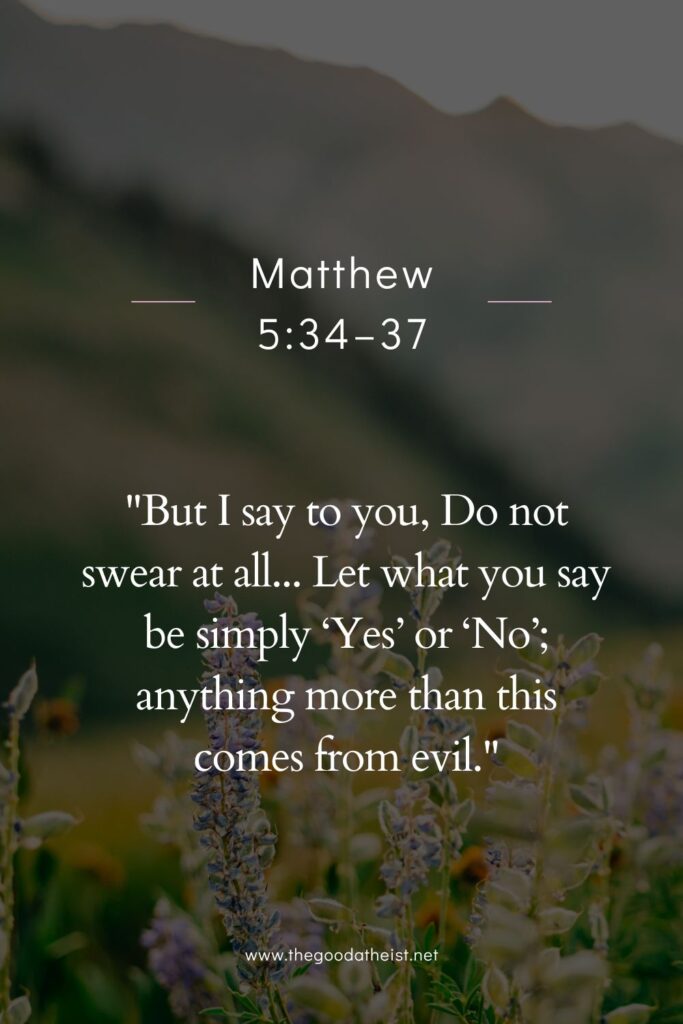
Jesus’ instruction in the Sermon on the Mount challenges the cultural norms of swearing oaths. He teaches that integrity in daily communication should eliminate the need for vows. A truthful person should be trusted without needing to call upon heaven or earth as witnesses. This verse invites believers to practice honesty so consistently that extra assurances become unnecessary. Jesus warns that anything beyond a simple affirmation may invite sin or deceit, reminding us to be mindful of the power and responsibility of our words.
2. Let Your Word Be Your Bond: James 5:12
“But above all, my brothers, do not swear, either by heaven or by earth or by any other oath, but let your ‘yes’ be yes and your ‘no’ be no, so that you may not fall under condemnation.” James echoes the teachings of Jesus, emphasizing that Christians should refrain from swearing oaths altogether. Instead, he calls for straightforward honesty. This verse isn’t just about avoiding lies—it’s about cultivating a lifestyle where people trust you because you’re consistently truthful. Swearing can often be a sign of unreliability or desperation to be believed. James warns that rash or dishonest oaths can lead to judgment. This scripture reinforces the Christian value of integrity and the importance of living transparently before both God and others.
3. The Weight of a Vow: Ecclesiastes 5:4–5
“When you vow a vow to God, do not delay paying it, for he has no pleasure in fools. Pay what you vow. It is better that you should not vow than that you should vow and not pay.” Solomon, in his wisdom, reminds us of the seriousness of making a vow to God. Oaths are not meant to be taken lightly, especially when made in His presence. If you promise something to the Lord, follow through promptly. God values sincerity over showmanship. This passage encourages believers to consider their words carefully before making commitments. It’s a strong warning that it is better to remain silent than to speak rashly and fail to keep a promise to the Almighty.
4. God as a Witness to Our Oaths: Jeremiah 42:5
“Then they said to Jeremiah, ‘May the Lord be a true and faithful witness against us if we do not act according to all the word with which the Lord your God sends you to us.’” The people of Judah, seeking guidance, acknowledge God as the ultimate witness to their oath. This verse highlights how oaths were not merely verbal agreements but sacred declarations made in God’s presence. They understood that invoking God’s name carried immense responsibility and that disobedience to a vow made before Him would be judged. This passage illustrates the seriousness with which oaths were regarded in ancient Israel and reminds us of God’s role as a witness to our intentions and promises.
5. Avoiding Rash Oaths: Judges 11:30–31
“And Jephthah made a vow to the Lord and said, ‘If you will give the Ammonites into my hand, then whatever comes out from the doors of my house to meet me… shall be the Lord’s.'”

Jephthah’s story is a tragic example of how a rash vow can have devastating consequences. He makes a hasty promise to God without fully considering the outcome, and it results in heartbreak. This verse warns us to be thoughtful and deliberate when making commitments to God or others. While God honors faith and dedication, He also calls us to act with wisdom. Oaths made in desperation or haste can lead to regret, especially when they involve unrealistic or harmful terms.
6. The Sacredness of God’s Name: Leviticus 19:12
“You shall not swear by my name falsely, and so profane the name of your God: I am the Lord.” This command from the Old Testament underscores the holiness of God’s name and the weight that comes with invoking it. Swearing falsely in His name is not only dishonest—it’s an act of disrespect and desecration. By linking truthfulness with reverence, God teaches His people that their words carry spiritual weight. This verse reminds believers that the name of the Lord should never be used casually, especially when making promises or declarations. It’s a call to treat both truth and God with utmost respect.
7. God Keeps His Oaths: Deuteronomy 7:9
“Know therefore that the Lord your God is God, the faithful God who keeps covenant and steadfast love with those who love him…” This verse highlights God’s own faithfulness in keeping His covenants. When God makes a promise, He keeps it—no exceptions. His consistency and dependability serve as the perfect model for how we should approach our own commitments. Oaths are not just a matter of personal honor; they reflect the character of the one making them. As God’s people, we are called to mirror His faithfulness by keeping our word and honoring our vows, both big and small.
8. The Dangers of Broken Promises: Numbers 30:2
“If a man vows a vow to the Lord… he shall not break his word. He shall do according to all that proceeds out of his mouth.” This verse is a foundational principle for understanding biblical oaths. God commands that any vow made must be fulfilled completely. It’s not about perfection, but about the seriousness of our words. Oaths in this context are sacred obligations, not empty statements. Breaking a vow dishonors God and reflects a lack of integrity. Numbers 30:2 is a strong reminder that we must speak with purpose and follow through with action, especially when addressing the Lord.
9. Promises Reflect the Heart: Proverbs 20:25
“It is a snare to say rashly, ‘It is holy,’ and to reflect only after making vows.” This proverb cautions against speaking impulsively, especially when declaring something as holy or making a commitment. Words spoken without thought can entrap us. Once a vow is made, we are accountable for it. This verse encourages self-control, wisdom, and intentionality in our speech. God calls us to weigh our promises carefully before speaking them into existence. By doing so, we avoid spiritual traps and demonstrate maturity and reverence.
10. Honor God with Integrity: Psalm 15:4
“…who keeps an oath even when it hurts, and does not change their mind.” Psalm 15 outlines the character of a person who may dwell in God’s holy presence. One key trait is someone who keeps their oath, even when doing so is painful or inconvenient. This level of integrity is rare and deeply valued by God. It’s easy to keep promises when it’s easy, but this verse challenges us to remain faithful even when circumstances change. Integrity isn’t about comfort—it’s about commitment.
11. Swearing an Oath in Truth: Jeremiah 4:2
“And if you swear, ‘As the Lord lives,’ in truth, in justice, and in righteousness, then nations shall bless themselves in him…”
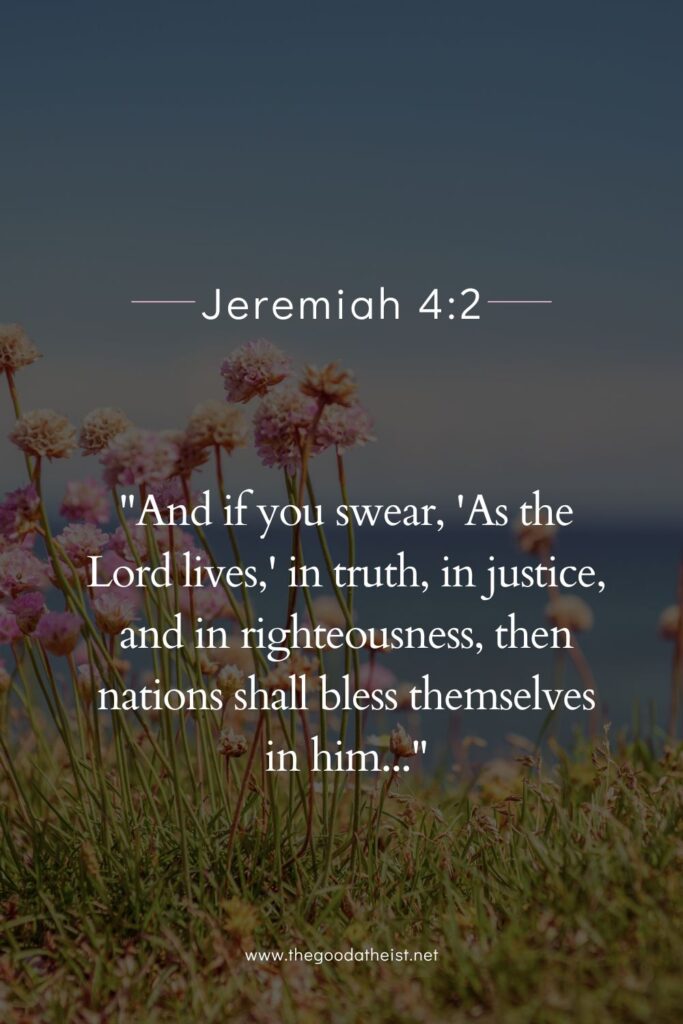
God does not forbid all oaths—He calls for them to be made in truth and righteousness. This verse reveals the conditions under which swearing is acceptable to God: it must be done sincerely and with justice. When done right, such oaths can even become a blessing to others. Jeremiah 4:2 teaches that the purpose and heart behind an oath matter just as much as the words themselves. God honors honesty and uprightness in our promises.
12. Oaths and Covenant Relationship: Genesis 26:3
“Sojourn in this land, and I will be with you and will bless you, for to you and to your offspring I will give all these lands, and I will establish the oath that I swore to Abraham your father.” This verse is a beautiful reminder of the enduring nature of God’s promises. The oath He made to Abraham continues through generations, showing His unwavering commitment. Oaths in the Bible often signify covenant relationships—deep, binding commitments that reflect love and responsibility. God’s faithfulness to His word is the foundation of our trust in Him. As we make promises in our own lives, we are called to reflect this same covenantal faithfulness.
13. Making Peace Through Oaths: Hebrews 6:16
“People swear by someone greater than themselves, and the oath confirms what is said and puts an end to all argument.” This verse explains the human tendency to use oaths as a means of settling disputes or confirming truth. An oath is meant to bring closure and establish credibility, especially when backed by a higher authority. The writer of Hebrews uses this idea to illustrate God’s unchangeable nature and the reliability of His promises. When we take oaths, they should serve the same purpose: to bring peace, end doubt, and reflect God’s truth.
14. Beware of Hypocrisy in Vows: Malachi 1:14
“Cursed is the cheat who has a male in his flock, and vows it, and yet sacrifices to the Lord what is blemished…”

This verse condemns dishonesty and hypocrisy in the act of making vows. God sees the heart behind the offering and knows when promises are made with deceit. Giving less than what was promised or intentionally misleading others—especially in worship—is an offense to Him. This powerful warning calls us to examine our motives and to honor our words with pure hearts. A vow is not just a transaction; it’s a reflection of one’s sincerity and devotion.
15. God’s Oath Brings Hope: Hebrews 6:17–18
“So when God desired to show more convincingly… he guaranteed it with an oath, so that… we who have fled for refuge might have strong encouragement to hold fast to the hope set before us.” This passage offers assurance through God’s own use of an oath. His promise, backed by His character and sworn by Himself, gives us unwavering hope. Unlike human oaths, which can be broken, God’s oath is eternal and unchanging. This verse reveals that God’s oaths are not only trustworthy but are meant to encourage and anchor us. When we reflect this divine reliability in our own speech, we offer the world a glimpse of God’s faithfulness.